Best Daily Health Habits That Actually Make a Difference
Small, consistent changes in your daily routine can lead to remarkable improvements in how you feel. Here are the health habits that genuinely work.
Expert guides on AI nutrition, fitness, sleep, and daily health habits — 51 articles and counting.
Small, consistent changes in your daily routine can lead to remarkable improvements in how you feel. Here are the health habits that genuinely work.
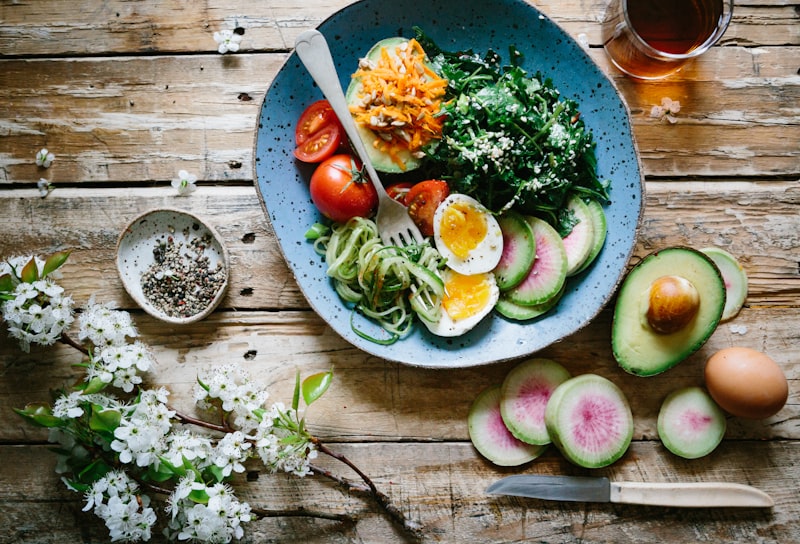
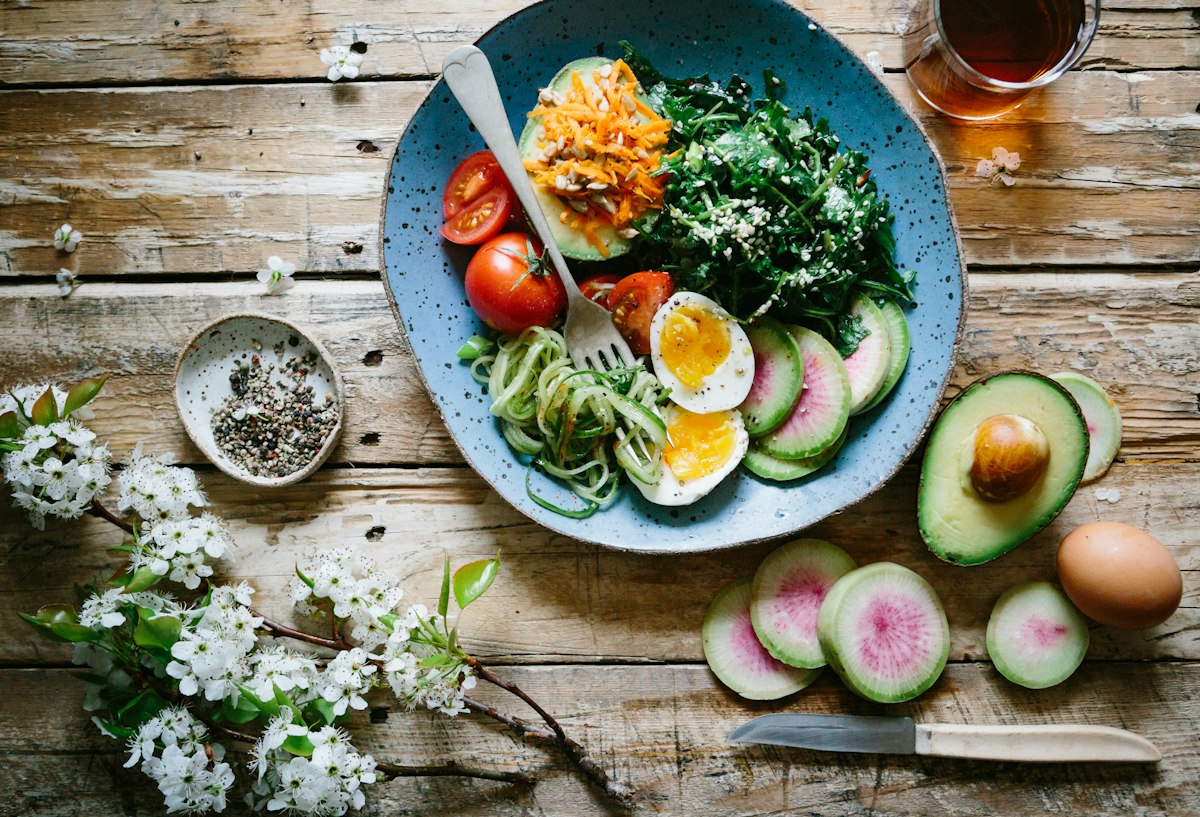
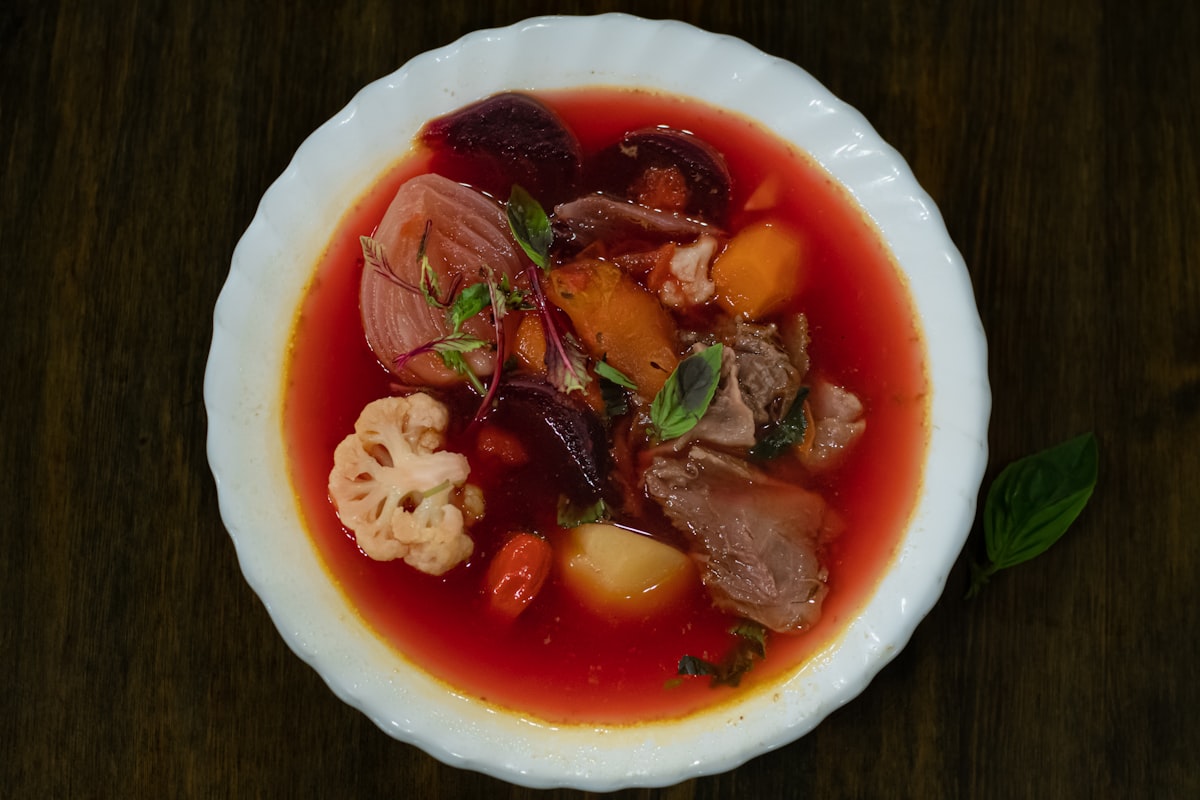
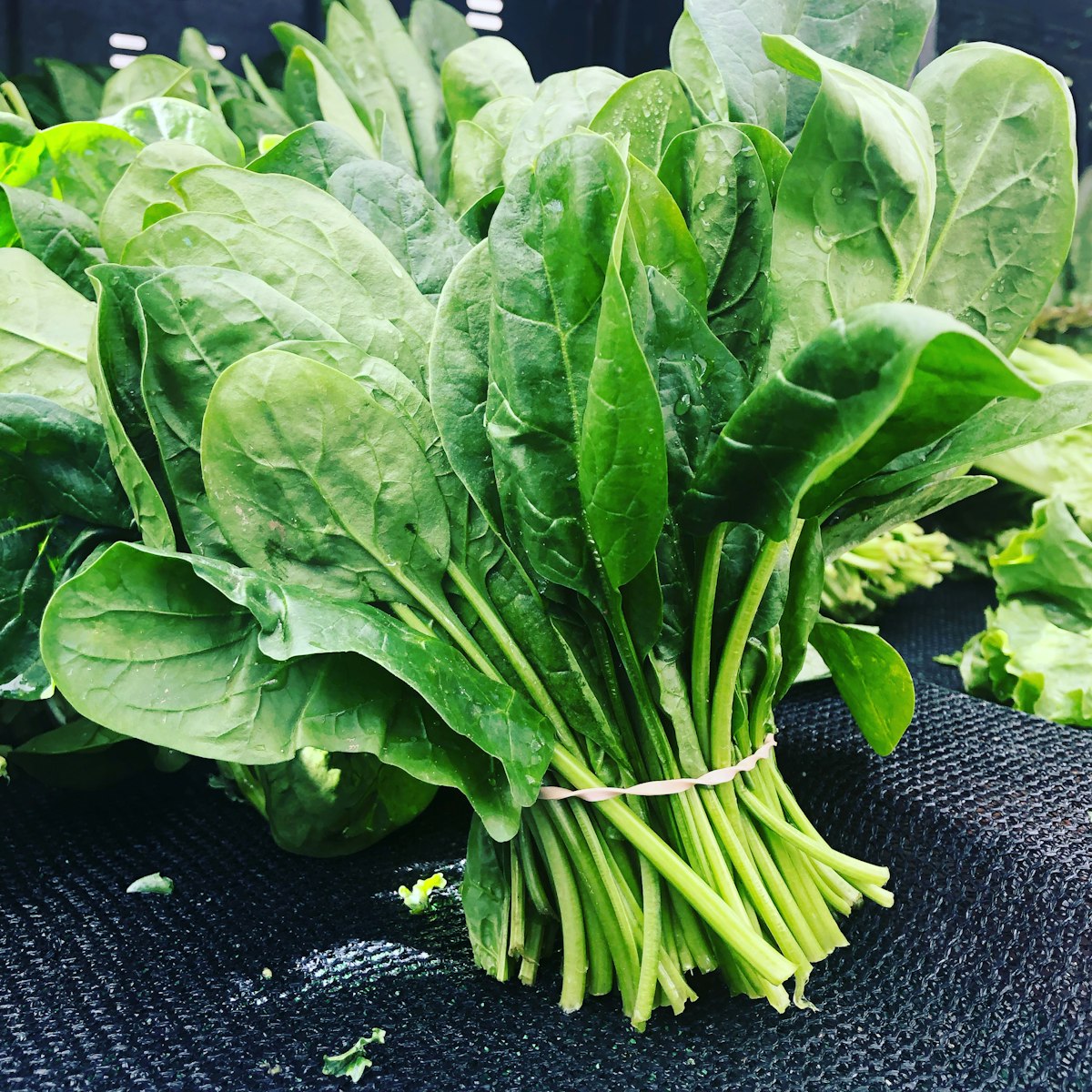
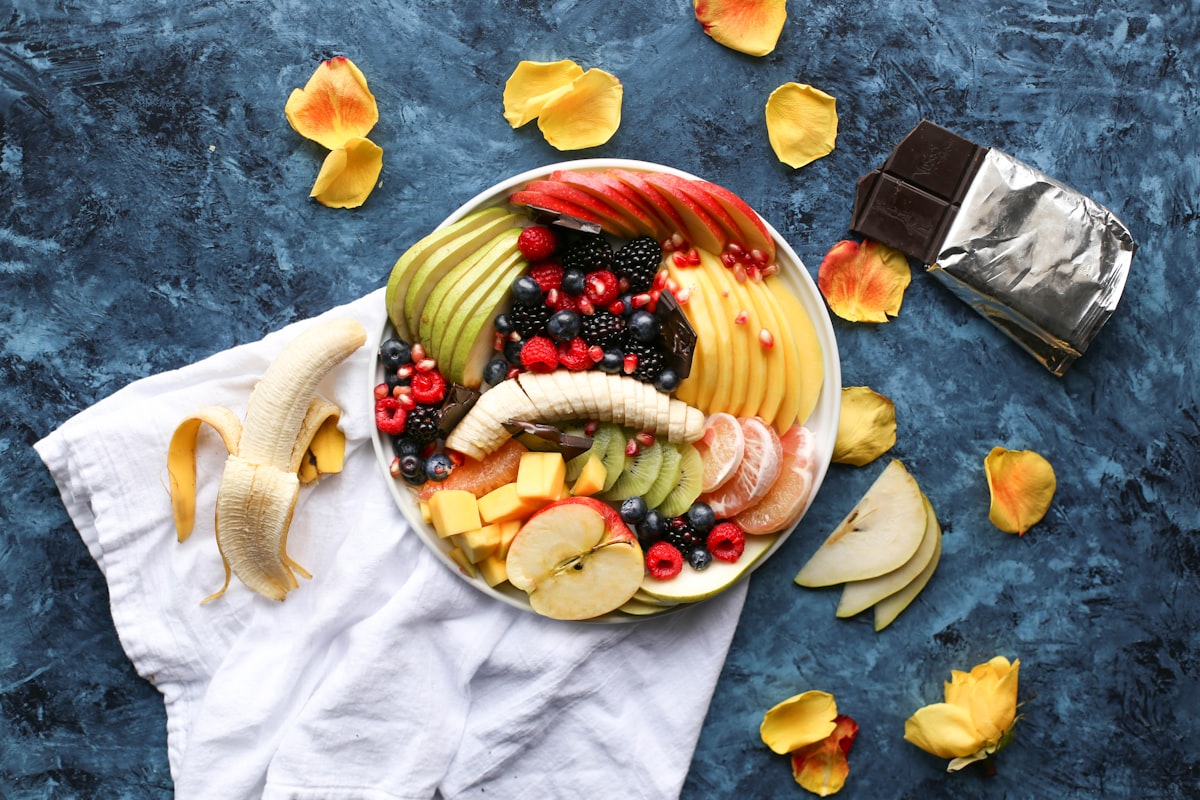
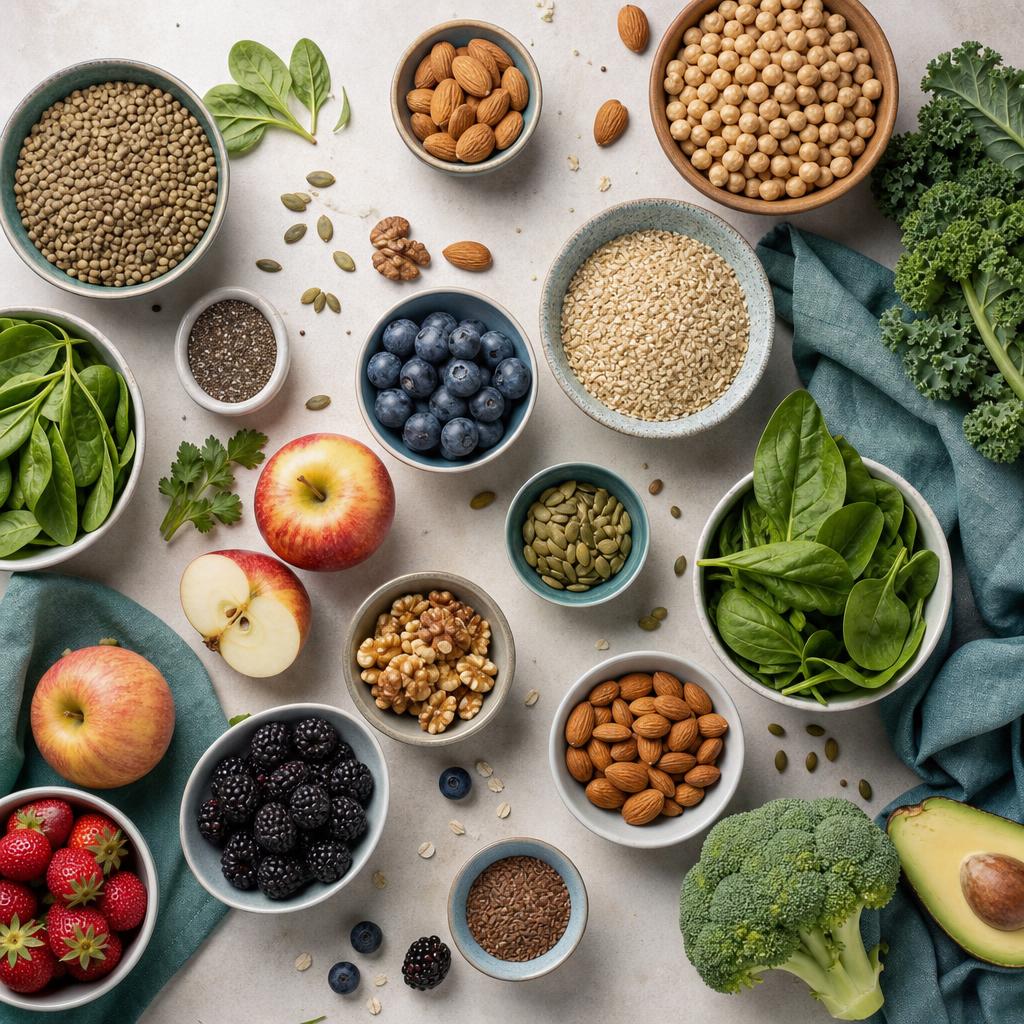
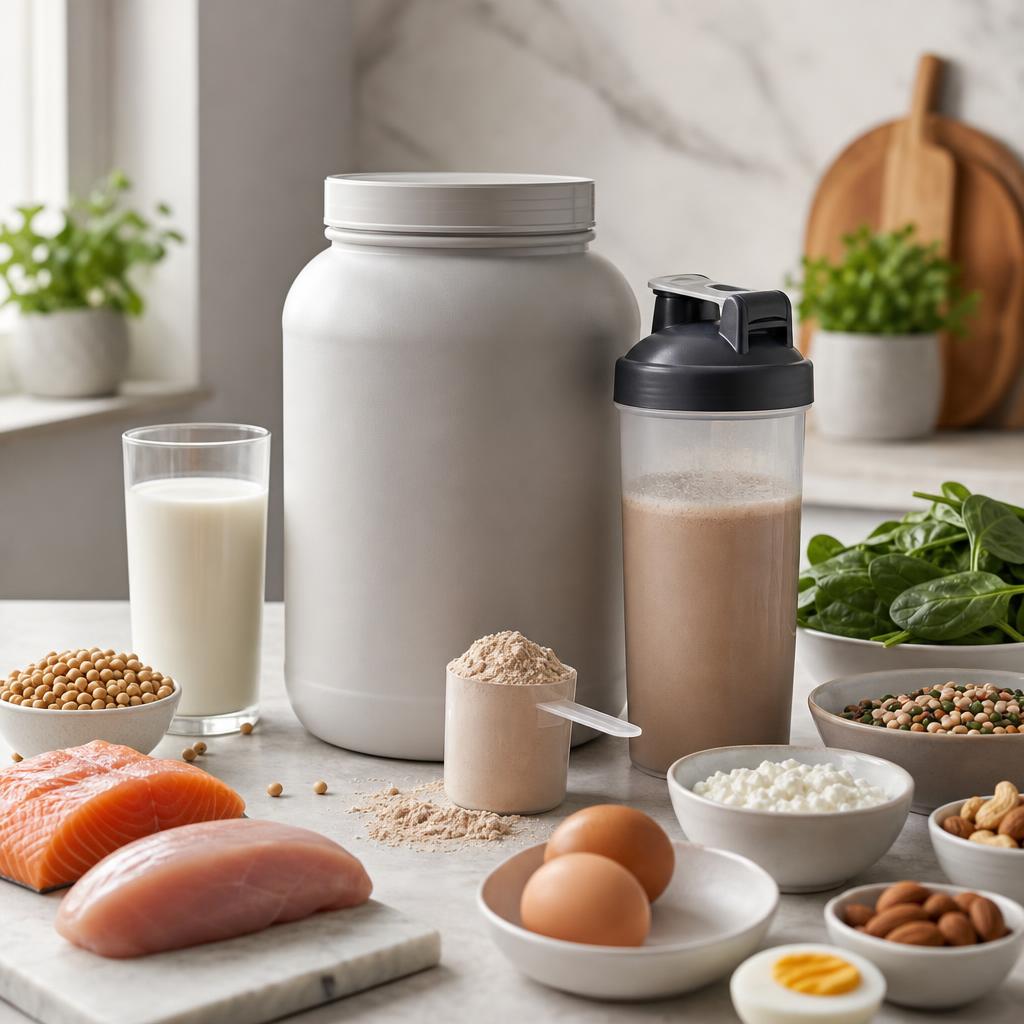
If you're feeling tired by mid-morning or crashing after lunch, your diet is likely the cause. Here are the exact foods to eat for energy that lasts all day.
Wellness doesn't have to be complicated or time-consuming. These simple routines fit into any schedule and make a real difference in how you feel.
Artificial intelligence isn't just for tech companies anymore. It's quietly transforming how everyday people understand and manage their health.
Tracking the right health metrics can transform your well-being. But what should you actually measure, and how do you make it sustainable?
Mindfulness isn't about clearing your mind. It's about paying attention to the present moment — and it's one of the most effective tools for mental well-being.
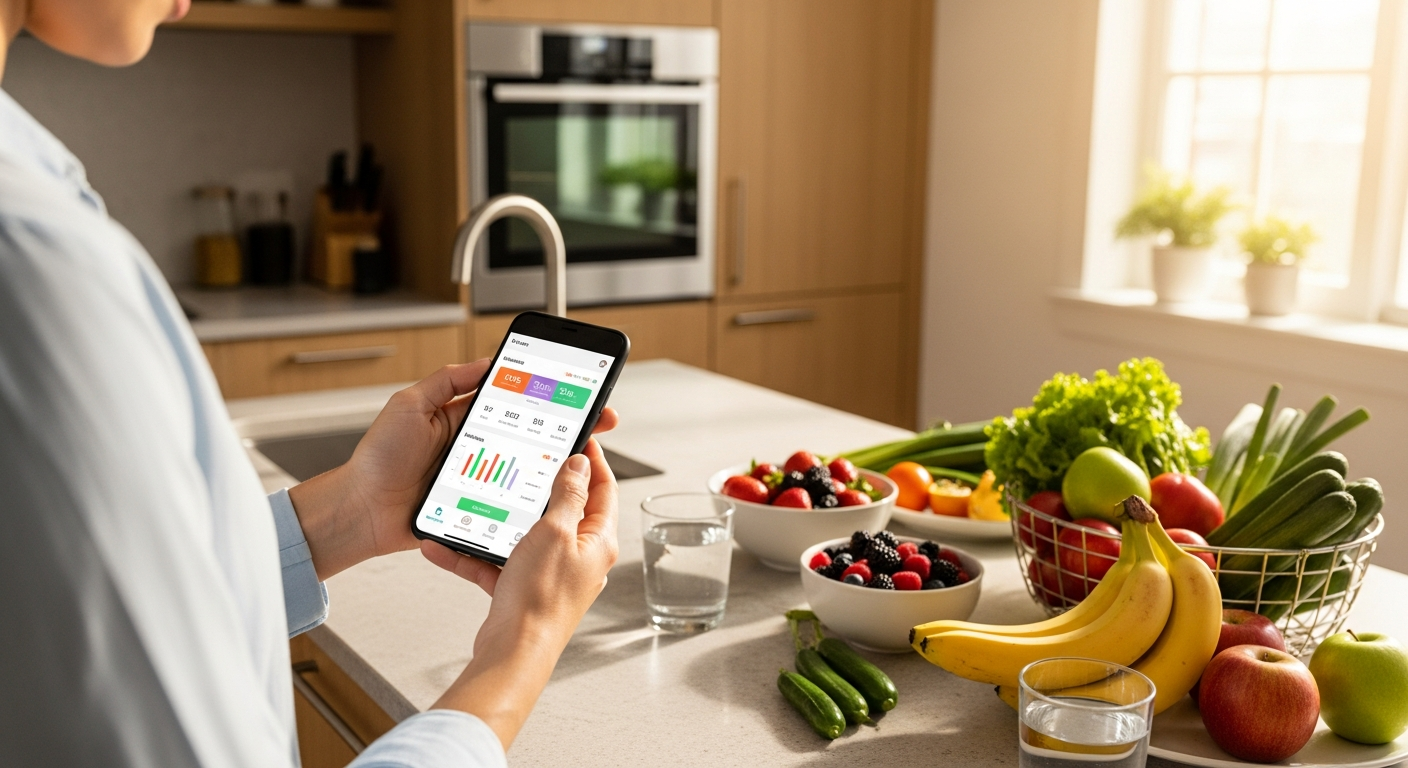
Gone are the days of manually logging every ingredient. AI nutrition trackers are making meal tracking faster, smarter, and more accurate than ever before.
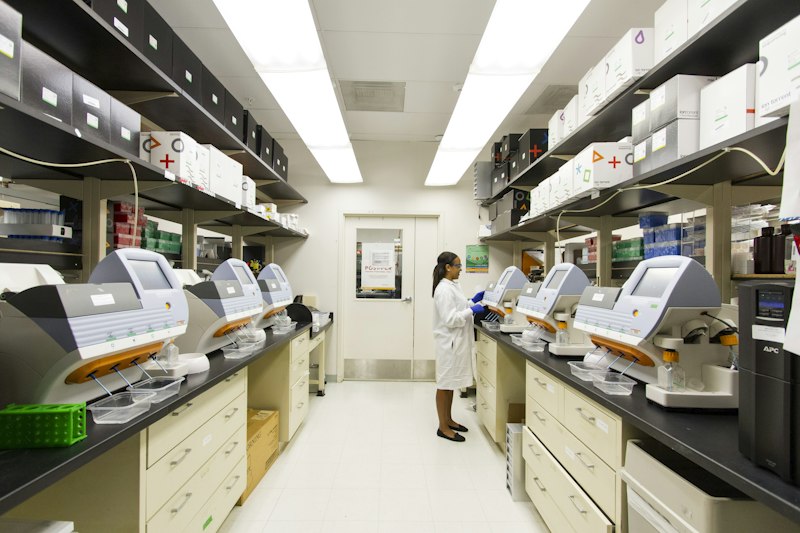
Your lab reports contain a wealth of health information, but most people have no idea what the numbers mean. AI is bridging that gap and turning data into action.
With dozens of AI-powered diet apps on the market, choosing the right one can be overwhelming. We break down the top AI diet apps of 2026 and what makes each one worth trying.
Manually logging calories is slow, inaccurate, and unsustainable. AI-powered food recognition is replacing it with something faster and far more reliable.
Confused by your blood test report? A free AI blood test analyzer reads your CBC, lipid, HbA1c, thyroid and vitamin values and explains them in plain English in under a minute.
AI is not just tracking your workouts and sleep. It is learning your patterns and providing personalized recommendations that actually improve your results.
The future of healthcare is not about treating disease. It is about preventing it. And the combination of AI and personalized nutrition is leading that transformation.
AI health tracking has moved far beyond simple step counting. In 2026, the best AI health apps analyze your meals, monitor your vitals, interpret your blood work, and create truly personalized wellness plans.
Your lab report is full of abbreviations, numbers, and reference ranges. Here is exactly what every letter means, which values are normal, how to interpret your bloodwork, and what to do when something is flagged.
The 10,000-steps-a-day rule is everywhere — but it was not based on science. Here is what research actually says about step counts and how to set the right goal for you.
What you eat in the hours before bed has a direct impact on how well you sleep. Here are the foods that genuinely help you sleep better — and the ones quietly sabotaging your rest.
Tired of manually entering every ingredient into a calorie app? AI meal scanners now analyse a photo of your plate and give you a full nutrition breakdown in seconds — no barcode needed.
The best free AI calorie counter apps in 2026 use photo scanning, smart meal tracking, and personalised nutrition guidance — no manual data entry required. Here's what actually works.
Walking is one of the most underrated forms of exercise — and a good fitness tracker with a step counter turns a casual stroll into a powerful, data-driven health habit. Here is everything you need to know.
The average adult gets 2–4 colds per year. While no cure exists, several natural remedies have strong evidence behind them — and tracking which ones work for you makes each recovery faster than the last.
Personal health coaching used to cost thousands of rupees per month and was available only to elite athletes and executives. AI has changed that completely — here is how to get world-class wellness guidance for free.
Tracking your steps and calories is useful. Connecting that activity data to your blood reports, BMI trends, and AI health insights is transformative. Here is how modern fitness tracking really works.
Intermittent fasting works — but most people quit within two weeks. AI-powered apps are changing that by removing the guesswork, personalizing meal timing, and making IF sustainable long-term.
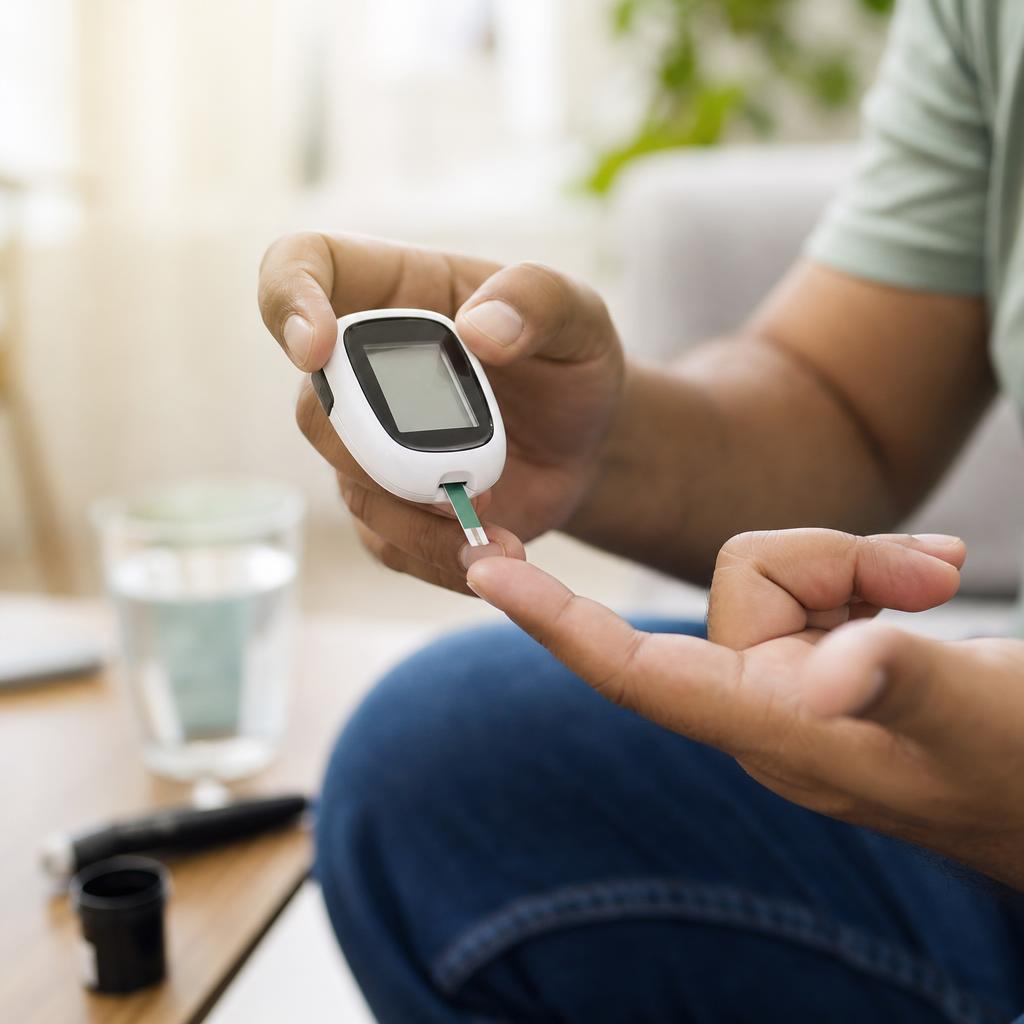
India has over 101 million people living with diabetes, and the US isn't far behind. Here's how to naturally lower your blood sugar through diet, lifestyle changes, and smart AI-powered tools.
India's health app market is growing fast, but most apps are built for Western lifestyles. Here's what makes an AI health app actually useful for Indians — and which features matter most for your specific health challenges.
Mental health is a daily practice — and the right self-care apps make that practice easier, more consistent, and more effective. We tested 25+ apps to rank the 12 best for mood, mindfulness, anxiety, sleep, and daily wellness in 2026.
Looking for the best apps for health in 2026? We tested 30+ apps to rank the top 10 health, fitness, nutrition, sleep and AI-powered wellness apps — with honest reviews, side-by-side comparisons and free options highlighted.
With hundreds of workout apps available in 2026, knowing which ones actually improve your fitness — and which just look good in screenshots — can save you a lot of wasted time and money.
A great personal trainer changes your fitness trajectory. The best personal training apps make that quality of coaching accessible to everyone — online, virtual, or AI-powered — without the per-session price tag.
Most 'free' fitness apps are free to download and expensive to actually use. Here are the workout apps that are genuinely free, genuinely helpful, and genuinely worth your time.
AI meal scanners can identify your food and estimate calories from a single photo. But how do they actually work — and how accurate are they really? Here's the complete guide.
AI can now interpret your blood test results and explain them in plain language — but how accurate is it really? Here's a complete, honest guide to AI blood report analysis and lab results interpretation.
From lowering HbA1c by a full point to losing 12kg in four months — real users share exactly how AI-powered health tracking changed their lives.
You don't need an expensive gym membership to build a strong, fit body. With the right accessories, your bedroom or living room can deliver serious results. Here are the top 10 home workout accessories worth every rupee and dollar in 2026.
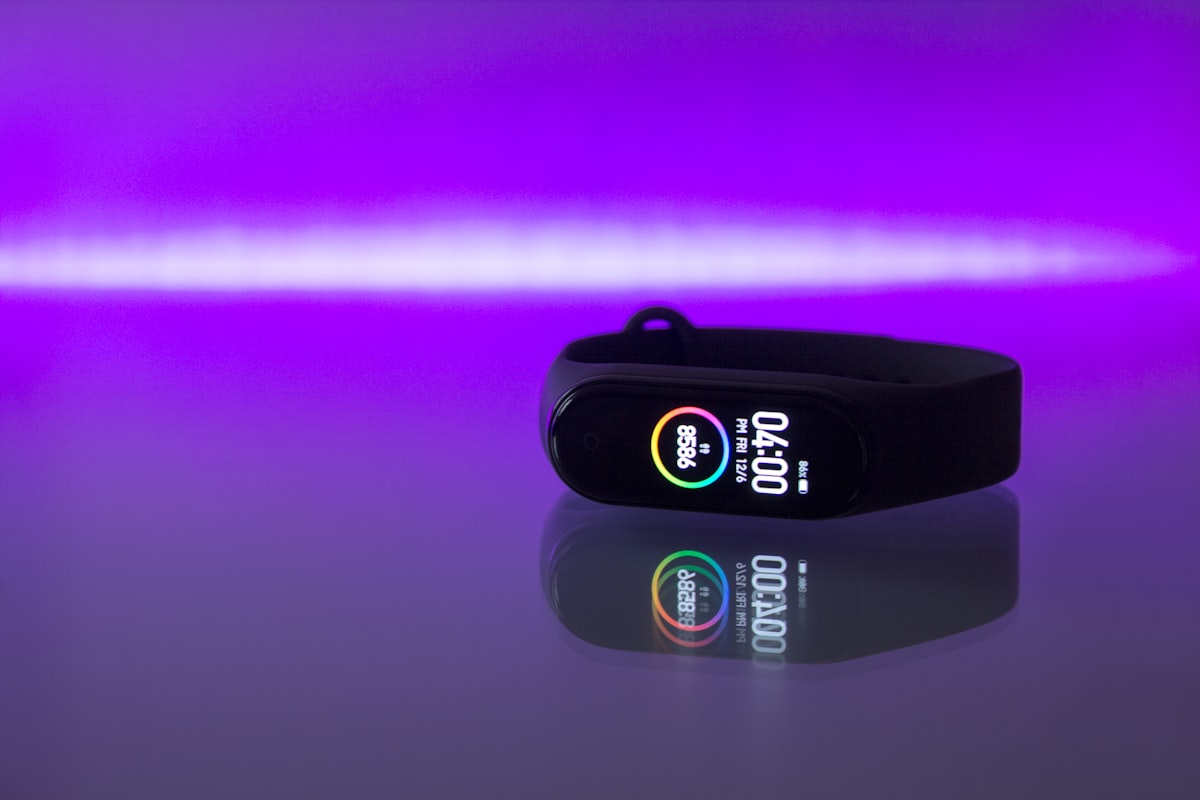
You don't need to spend hundreds to get serious fitness tracking on your wrist. These 10 budget smartwatches deliver heart rate monitoring, sleep tracking, step counting, and more — all under $100 in the USA and under ₹5,000 in India.
You're exercising consistently but the scale isn't moving. This frustrating situation has clear causes — and real solutions. Here's exactly why you're not losing weight despite exercise and how to fix each one.
The 10,000 steps rule is everywhere — but is it actually the magic number for weight loss? Here's what the science really says about steps per day for losing weight, and how to set a goal that works for your body.
Calorie tracking is the most effective evidence-based tool for weight loss — but most people do it wrong. Here's how to track calories accurately using practical techniques and AI tools, with no dietitian required.
Most people focus on diet and exercise for weight loss — and completely ignore sleep. But sleep deprivation triggers hormonal changes that make fat loss nearly impossible. Here's the science and how to fix it.
Trying to choose between Fitbit, Apple Health, and myHealthMate? We compare features, accuracy, hardware needs, AI insights, cost and privacy — so you can pick the one that actually fits your life.
Looking for the best AI meal tracker app in 2026? We tested every major AI nutrition app — Cal AI, MyFitnessPal, Foodvisor, Macrofactor and more — on photo accuracy, regional food coverage, free features and meal-plan quality. Here is the definitive ranked list.
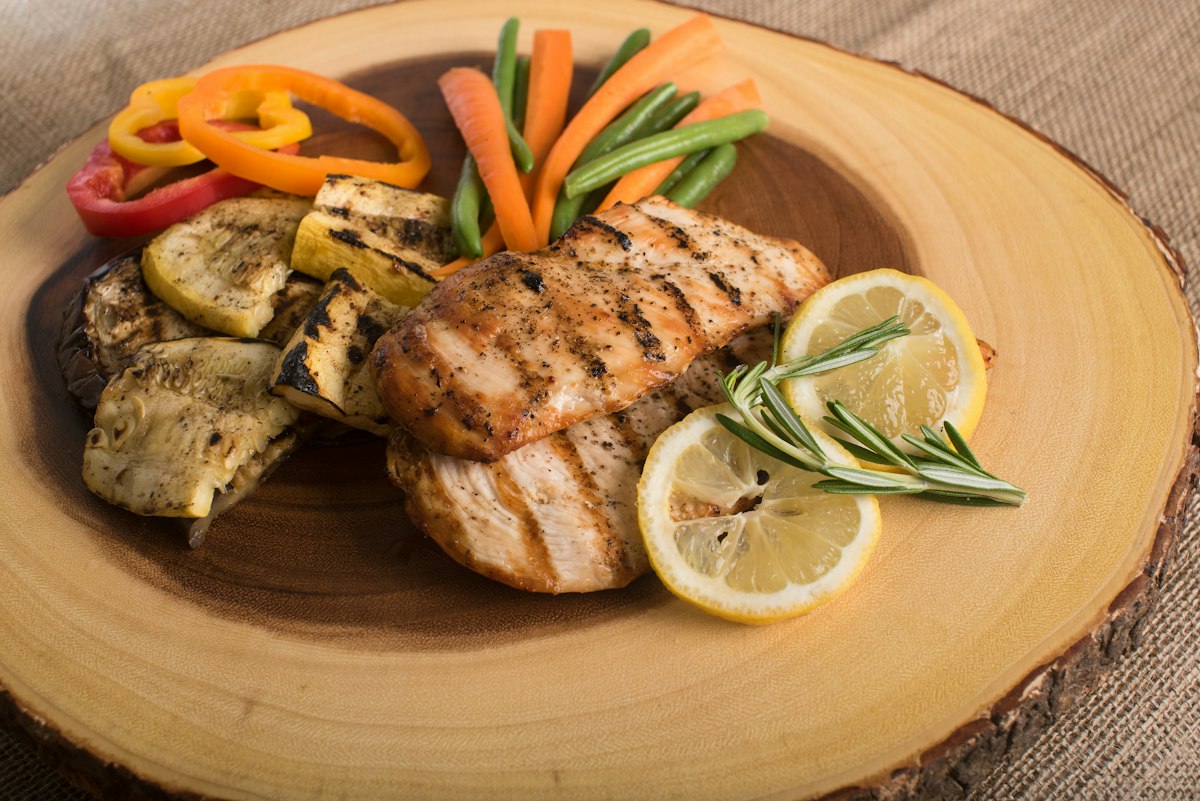
Most diet plans fail busy people because they assume you have an hour to cook every meal. This 7 day diet plan for weight loss uses 15-minute meals, repeatable ingredients, and a printable grocery list — built for people with full-time jobs.
AI in fitness apps moved from gimmick to genuinely useful in 2026. Photo-based calorie tracking, predictive injury warnings, adaptive workout programs and blood report analysis — here's exactly how AI health tracking apps work today, and the ones worth installing.
Is an AI workout planner really as good as a personal trainer in 2026? We compared both head-to-head across programming quality, results, cost, accountability and form correction. The answer depends on exactly one thing.
Step counter app vs smartwatch — the honest comparison. We tested phone-based step counters against the leading fitness smartwatches of 2026 across accuracy, battery, cost and real-world use. Here's which one you actually need.
The right morning routine for weight loss can accelerate fat burning, control hunger hormones, and set your metabolism up for the whole day. Here's exactly what the science recommends.
A calorie deficit is the foundation of every successful weight loss plan. Here's exactly how to calculate yours — with specific numbers, real examples, and the right daily calorie target for your goals.
Gaining weight while exercising is more common — and more understandable — than most people realise. Here are the 7 specific, science-explained reasons your weight may be rising despite regular workouts.
Walking burns fewer calories per minute than running — but the difference is smaller than most people think, and walking has advantages running doesn't. Here's exactly what the research says.
10,000 steps a day has been the standard goal for decades — but it was never based on science. New research reveals the actual optimal step counts for longevity, weight loss, and disease prevention.