
Summer heat doesn't just make you sweat more — it accelerates fluid and electrolyte loss to the point where drinking water alone often isn't enough to keep up. That's where the best summer foods to stay hydrated come in. Many fruits and vegetables are 85-96% water by weight and also carry the potassium, sodium, and magnesium your body loses through sweat — something plain water can't replace on its own.
Here are the 15 most hydrating foods for summer that belong in your kitchen right now, plus a few practical tips to build them into your daily routine.
Why Food-Based Hydration Matters in Summer
When you sweat, you don't just lose water — you lose electrolytes like sodium and potassium that regulate muscle function, blood pressure, and nerve signaling. Drinking large volumes of plain water without replacing electrolytes can actually dilute your blood sodium levels, leaving you feeling more fatigued, not less.
Water-rich fruits and vegetables solve this naturally. They deliver fluid slowly (which your body absorbs more efficiently than a big gulp of water), along with the minerals and antioxidants that support recovery from heat stress.
15 Best Summer Foods to Stay Hydrated
1. Watermelon (92% water)
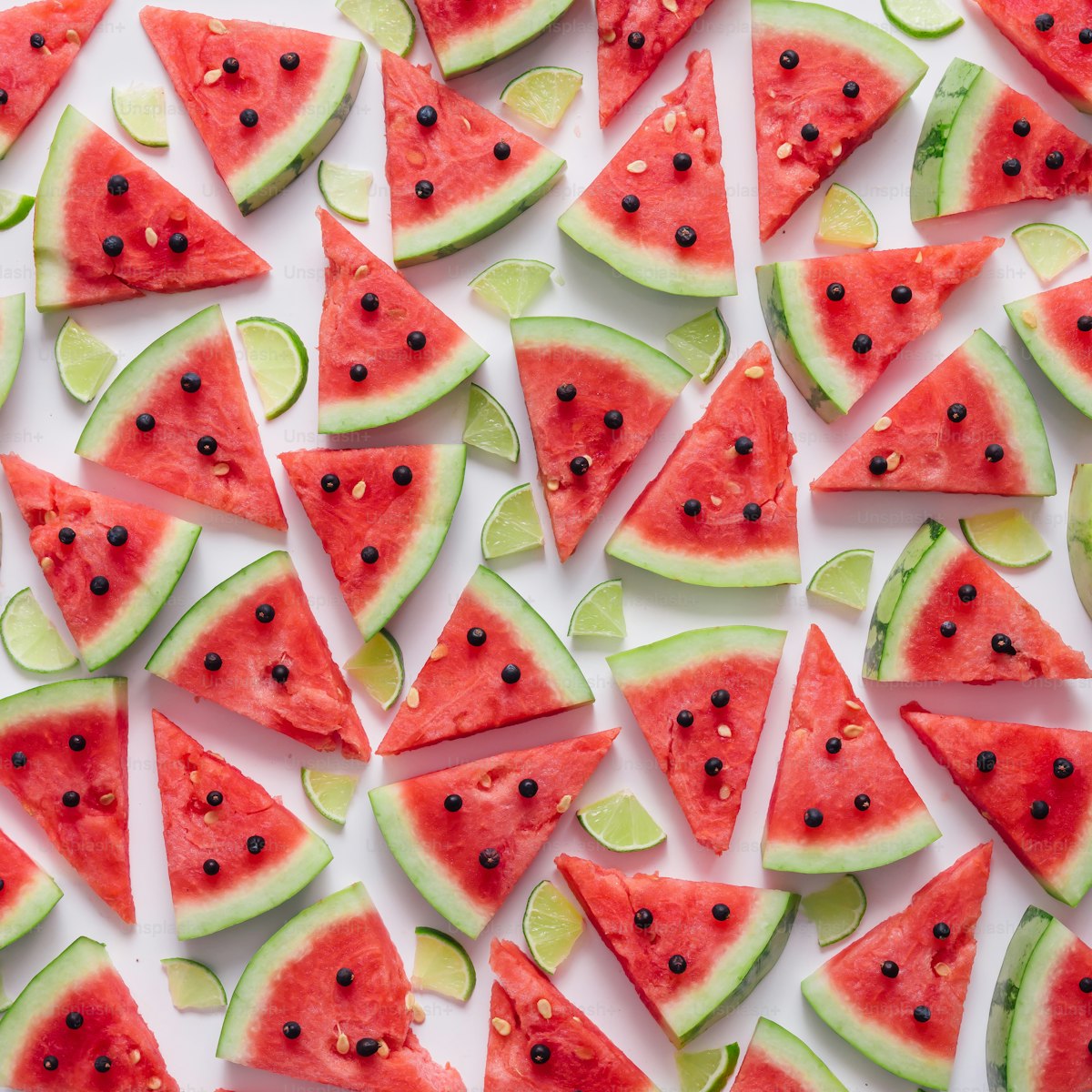
The undisputed king of hydrating foods for summer. Watermelon is packed with citrulline, an amino acid that supports blood flow, plus vitamin C and lycopene. A single cup delivers meaningful hydration with almost no calories.
2. Cucumber (96% water)
Cucumbers have one of the highest water contents of any food. Add them to salads, infuse them in water, or eat them plain with a pinch of salt to replace lost sodium.
3. Strawberries (91% water)
Loaded with vitamin C and antioxidants, strawberries make a naturally sweet, hydrating snack that also supports skin health during sun exposure.
4. Coconut Water (from fresh coconut, 95%+ water)
Nature's original electrolyte drink. Coconut water contains potassium, sodium, and magnesium in proportions similar to what your body loses through sweat — making it one of the best natural alternatives to sports drinks.
5. Oranges (88% water)
Oranges combine hydration with vitamin C and natural sugars for quick energy — ideal after outdoor activity in the heat.
6. Zucchini (94% water)
Grilled, sautéed, or spiralized into noodles, zucchini is a low-calorie way to add volume and hydration to summer meals.
7. Tomatoes (94% water)
Tomatoes are rich in lycopene, potassium, and vitamin C. Toss them into salads or blend into a chilled gazpacho for a refreshing, hydrating summer meal.
8. Bell Peppers (92% water)
Crunchy and refreshing, bell peppers are also one of the richest vitamin C sources of any vegetable — even more than citrus.
9. Cantaloupe (90% water)
This melon variety is rich in potassium and vitamin A, supporting both hydration and skin protection from sun damage.
10. Celery (95% water)
A classic hydrating snack. Celery's high water and fiber content make it filling without adding many calories — great for weight management in summer too.
11. Lettuce, especially Iceberg (96% water)
While often dismissed for low nutrient density, iceberg lettuce is one of the most hydrating vegetables available and forms a great base for cooling summer salads.
12. Grapefruit (88% water)
Combines hydration with fiber and vitamin C, and its slightly bitter, tart flavor makes for a refreshing start to hot mornings.
13. Pineapple (86% water)
Pineapple's bromelain enzyme supports digestion, while its natural sugars and water content make it an energizing, hydrating summer fruit.
14. Yogurt (85% water)
Unlike most items on this list, yogurt is not a fruit or vegetable — but it's an excellent hydrating food that also delivers probiotics and protein, keeping your gut and energy levels balanced through the heat.
15. Buttermilk / Chaas (90%+ water)
A traditional South Asian summer staple, buttermilk is diluted yogurt seasoned with cumin and mint. It replenishes fluids and probiotics while cooling the body from within.
Simple Ways to Build These Into Your Day
- Breakfast: Add sliced watermelon, strawberries, or citrus to your morning meal instead of relying solely on coffee.
- Mid-morning: Snack on cucumber or celery sticks instead of chips or crackers.
- Lunch: Include a tomato or bell pepper based salad alongside your main meal.
- Afternoon slump: Reach for chilled coconut water or buttermilk instead of sugary sodas.
- Dinner: Finish with a bowl of melon or pineapple instead of a heavier dessert.
The CDC notes that adequate hydration — from both fluids and water-rich foods — is one of the most effective ways to prevent heat-related illness during high temperatures. Pairing hydrating foods with 8-10 glasses of water daily gives your body a much stronger buffer against summer heat than water alone.
Frequently Asked Questions
What foods hydrate you the most in summer?
Cucumber, watermelon, celery, and lettuce have the highest water content (94-96%), making them the most hydrating whole foods you can eat in summer.
Can eating fruits replace drinking water?
No, but they meaningfully supplement it. Hydrating fruits and vegetables can provide roughly 20% of your total daily fluid intake, while also supplying electrolytes plain water lacks.
What should I eat to stay hydrated during a heatwave?
Focus on watermelon, cucumber, coconut water, and buttermilk — these replace both fluid and the sodium and potassium lost through heavy sweating during extreme heat.
Are hydrating foods good for weight loss too?
Yes. Most hydrating fruits and vegetables are naturally low in calories and high in fiber, which helps you feel full for fewer calories — a useful side benefit during summer.
How many glasses of water should I still drink if I eat hydrating foods?
Water-rich foods supplement but don't replace fluids. Continue drinking at least 8 glasses of water daily, and more if you're sweating heavily outdoors.
Track Your Hydration Automatically
Building hydrating foods into your diet is easier when you can see your progress. myHealthMate lets you log water intake, scan meals with AI to see hydration and nutrient content instantly, and get personalized reminders to drink more on hot days — all in one free app.
Download myHealthMate free on Google Play and stay ahead of summer dehydration.
Related: Best Daily Health Habits That Actually Make a Difference · What to Eat for Energy All Day · How to Lower Blood Sugar Naturally