
Last updated: September 1, 2026 · Reviewed by the myHealthMate editorial team
Iron helps your body make hemoglobin, the protein in red blood cells that carries oxygen. Women may be more likely to have low iron because of menstrual blood loss, pregnancy, breastfeeding, restrictive diets, or conditions that affect absorption. If you are searching for iron-rich foods for women, the goal is not simply to add spinach once—it is to build regular meals that provide iron and help your body absorb it.
Food can support iron intake, but fatigue, dizziness, shortness of breath, hair loss, or pale skin can have many causes. Only a healthcare professional and appropriate blood tests can confirm iron deficiency or anemia. Do not start high-dose iron supplements without medical advice.
How Much Iron Do Women Need?
According to the NIH Office of Dietary Supplements iron fact sheet, many adult women ages 19–50 need 18 mg of iron per day. Pregnancy increases the recommended amount to 27 mg, while adult men and postmenopausal women generally need 8 mg. People eating mostly plant-based diets may need more because non-heme iron is absorbed less efficiently.
Your requirement can differ with age, pregnancy, blood loss, health conditions, and lab results. Use these numbers as general education, not as a personal prescription.
Best Foods High in Iron
Meat, seafood, and eggs
Heme iron from meat and seafood is generally absorbed more efficiently. Good sources include lean beef, poultry, sardines, tuna, oysters, mussels, and eggs. Liver is high in iron but is not appropriate for everyone, especially during pregnancy; ask your clinician about safe choices.
Lentils, beans, and chickpeas
Lentils, black beans, kidney beans, soybeans, and chickpeas are excellent plant-based staples. In India, dal, chana, rajma, soy chunks, and kala chana can make iron-rich meals affordable and familiar.
Leafy greens and vegetables
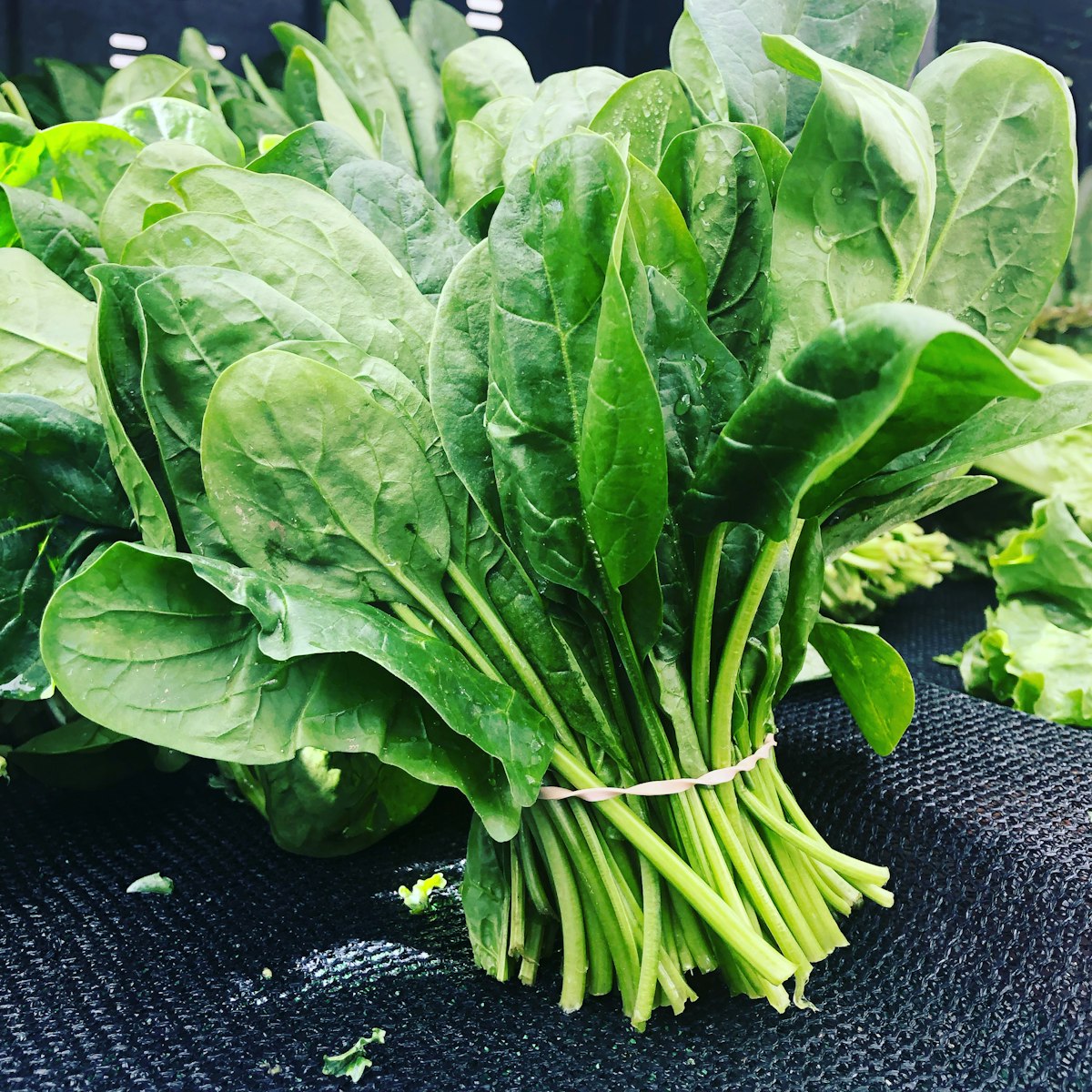
Spinach, amaranth leaves, kale, collard greens, peas, broccoli, and beet greens contribute iron along with fibre and other nutrients. Dark leafy greens are helpful, but they should not be your only iron source.
Seeds, nuts, and grains
Pumpkin seeds, sesame seeds, cashews, peanuts, oats, quinoa, and fortified breakfast cereals can contribute meaningful iron. Add seeds to yogurt, oats, salads, dal, or vegetable bowls.
Dried fruit
Raisins, dried apricots, and prunes contain iron, but they are concentrated in natural sugar and calories. Enjoy a small portion alongside nuts or yogurt rather than treating them as a limitless snack.
How to Absorb More Iron From Food
Vitamin C helps improve absorption of non-heme iron. Add lemon to dal, squeeze lime over chana chaat, serve bell peppers with beans, or pair spinach and lentils with tomatoes, guava, oranges, kiwi, or berries.
Tea and coffee can reduce absorption when consumed with an iron-rich meal because of their polyphenols. If iron is a concern, ask your dietitian about spacing them away from meals. Soaking, sprouting, fermenting, and thoroughly cooking legumes can also improve digestibility and may help with mineral availability.
A Simple Iron-Rich Day
Breakfast: fortified oats with pumpkin seeds and berries, or eggs with whole-grain toast and fruit.
Lunch: lentil dal with spinach, brown rice or roti, and lemony salad.
Snack: roasted chickpeas with an orange, or yogurt with seeds.
Dinner: tofu and broccoli stir-fry, bean chili, or fish with vegetables and potatoes.
This pattern gives you several opportunities to eat iron-containing foods without turning every meal into a supplement routine.
When to Get Checked
Talk with a clinician if tiredness persists, periods are very heavy, you are pregnant, you follow a vegan diet, you have digestive symptoms, or a previous test showed low hemoglobin or ferritin. Iron deficiency can exist before anemia appears, and the right treatment depends on the cause.
Track meals and symptoms in myHealthMate, then take a clear record to your appointment. The complete guide to tracking health metrics explains how to notice patterns without self-diagnosing.
Frequently Asked Questions About Iron
What are the best iron-rich foods for women?
Lentils, beans, chickpeas, tofu, fortified grains, pumpkin seeds, leafy greens, seafood, lean meat, and eggs are useful options. Pair plant sources with vitamin C foods to improve absorption.
What are the best vegetarian sources of iron?
Lentils, chickpeas, kidney beans, soy foods, spinach, amaranth, sesame, pumpkin seeds, oats, quinoa, and fortified cereals are good vegetarian sources. Include vitamin C in the same meal.
Is spinach enough to treat iron deficiency?
Spinach can contribute iron, but it may not provide enough to correct confirmed deficiency. If tests show low iron or anemia, follow your clinician's treatment plan.
Can tea cause iron deficiency?
Tea does not automatically cause iron deficiency, but drinking tea with iron-rich meals can reduce absorption. If you are at risk, ask a dietitian about timing.
Should women take iron supplements every day?
Not without personalised advice. Iron supplements can cause side effects and excess iron can be harmful. Testing and medical guidance are the safest way to decide.
Related: Best Protein Sources for Vegetarians and Vegans · What Is a Balanced Diet? · What to Eat for Better Energy All Day