
Last updated: September 1, 2026 · Reviewed by the myHealthMate editorial team
If you have ever searched for a balanced diet food list or a simple balanced diet chart, you may have found complicated meal plans that are difficult to follow. The useful answer is simpler: a balanced diet gives your body a variety of foods in sensible proportions, while keeping highly processed foods, excess salt, added sugar, and unhealthy fats in check.
It is a pattern, not a perfect plate at every meal. Your food choices can include dal and roti, a tofu grain bowl, salmon with potatoes, or a bean-and-vegetable taco. The ingredients change by culture, budget, season, and preference; the nutrition principles stay remarkably consistent.
What Is a Balanced Diet?
A balanced diet provides enough energy, protein, fibre, vitamins, minerals, and healthy fats for your body and lifestyle. The World Health Organization's healthy diet guidance describes a healthy eating pattern using four ideas: adequacy, balance, moderation, and diversity.
That means no single food has to be “good” or “bad.” Instead, build most meals around minimally processed foods and choose portions that match your hunger, activity, health goals, and medical needs.
The 5 Parts of a Balanced Plate
1. Vegetables and fruit
Aim to make vegetables and fruit a regular part of your meals. Leafy greens, tomatoes, carrots, peppers, okra, berries, apples, oranges, and bananas all bring different nutrients. Fresh, frozen, and unsweetened canned options can fit a healthy eating plan.
As a practical starting point, fill about half your plate with vegetables and fruit. If you have diabetes, kidney disease, digestive problems, or another condition, ask a registered dietitian how to personalise this balance.
2. Protein foods
Protein supports muscles, enzymes, hormones, immune function, and fullness. Try eggs, fish, chicken, Greek yogurt, milk, paneer, tofu, tempeh, beans, chickpeas, lentils, peas, nuts, and seeds. Including a protein source at breakfast and lunch can make a balanced diet easier to sustain.
Plant-based eaters do not need to combine “complete proteins” at every meal. Eating a variety of legumes, soy foods, grains, nuts, and seeds across the day is a practical approach.
3. High-fibre carbohydrates
Carbohydrates are an important energy source. Choose oats, brown rice, quinoa, whole-wheat roti, whole-grain bread, barley, millets such as ragi and bajra, potatoes, and sweet potatoes more often than refined grains.
Fibre supports digestion and helps meals feel satisfying. Increase high-fibre foods gradually and drink enough fluid to reduce digestive discomfort.
4. Healthy fats
Fats help absorb vitamins A, D, E, and K and make meals satisfying. Use foods such as avocado, olive or mustard oil, nuts, seeds, peanut butter, and oily fish. Portion size still matters because fats are energy-dense.
5. Fluids
Water is the main drink for most people. Milk or fortified alternatives can contribute protein and calcium, while unsweetened tea and coffee can fit for many adults. Sugary drinks and frequent fruit juice are easy ways to add sugar without much fibre.
A Balanced Diet Plate: US and India-Friendly Examples
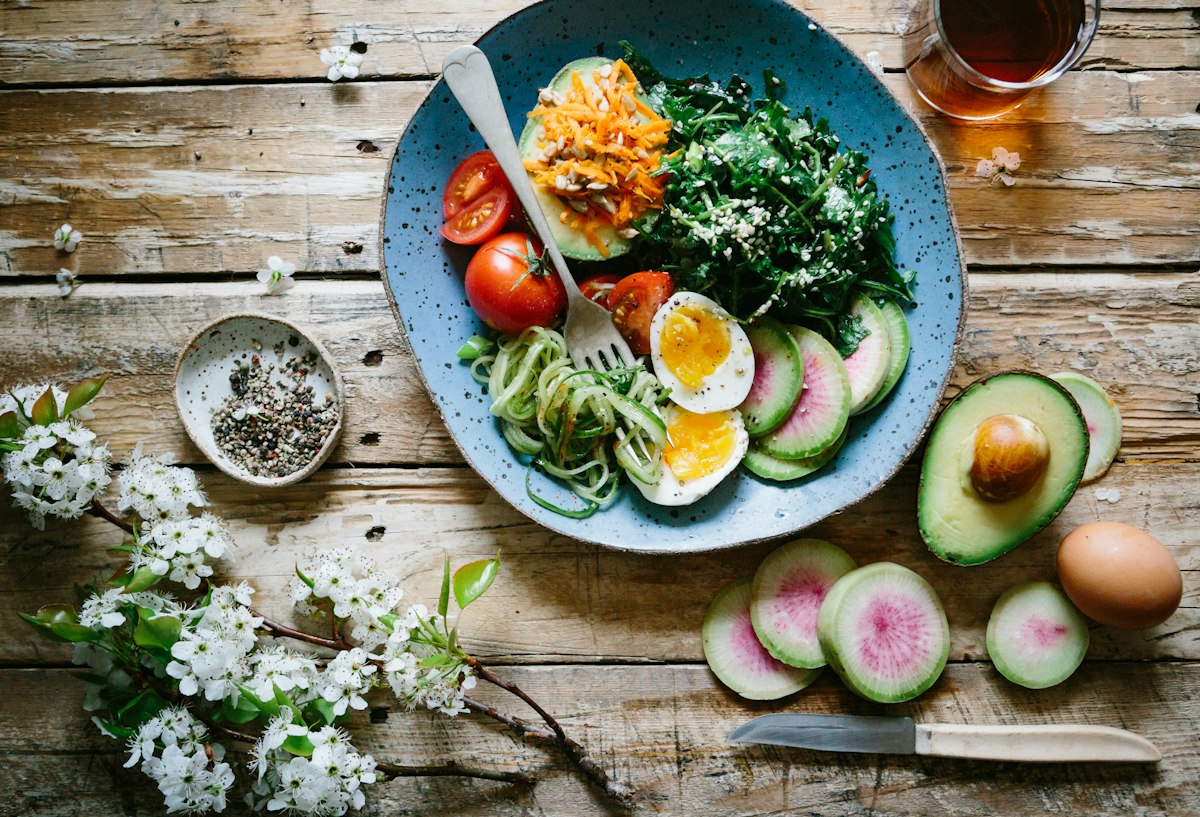
The USDA MyPlate model is a useful visual: make half the plate fruits and vegetables, then add grains, protein, and dairy or a fortified alternative. You can adapt it to foods you already eat.
Indian meal: palak or mixed-vegetable sabzi, dal or rajma, two small whole-wheat rotis or a moderate serving of brown rice, plain curd, and fruit.
Vegetarian meal: tofu or paneer stir-fry, quinoa or whole-grain roti, roasted vegetables, and yogurt or a fortified soy drink.
American-style meal: baked salmon or beans, roasted vegetables, a baked potato or brown rice, and fruit.
The key is not the cuisine. Ask: where is my protein, where is my fibre, and what colourful plant foods are on the plate?
Foods to Eat Less Often
A balanced diet can include treats. The goal is to make them occasional rather than the foundation of daily eating. Limit sugary drinks, highly processed snacks, processed meats, foods high in sodium, and meals that are mostly refined starch and added sugar.
Read packaged-food labels when useful. Compare serving sizes, fibre, protein, saturated fat, sodium, and added sugars rather than judging a food by one marketing claim.
How to Start Without Overhauling Your Diet
1. Add one vegetable to lunch and dinner.
2. Put a protein food in your breakfast.
3. Swap one refined grain for a high-fibre option.
4. Keep fruit, roasted chickpeas, or unsalted nuts available for snacks.
5. Track meals for a week to notice patterns, not to chase perfection.
myHealthMate can help you log meals, calories, protein, and fibre so you can see what your usual diet actually looks like. Try the complete guide to tracking your health metrics for a wider routine.
Frequently Asked Questions About a Balanced Diet
What is a balanced diet in simple words?
A balanced diet means eating a variety of foods in proportions that provide energy and essential nutrients: vegetables and fruit, protein, high-fibre carbohydrates, healthy fats, and enough fluids.
What should a balanced diet include every day?
Most adults can start with vegetables or fruit at meals, a protein source, high-fibre carbohydrates, healthy fats in moderate portions, and water. Exact needs vary with age, activity, culture, medical conditions, and goals.
Is rice part of a balanced diet?
Yes. Rice can fit a balanced diet. Choose a portion that suits your needs and pair it with protein, vegetables, and healthy fats. Brown rice and other whole grains provide more fibre, but white rice is not automatically unhealthy.
How can I follow a balanced diet in India?
Build meals around familiar foods such as dal, chana, rajma, vegetables, fruit, curd, eggs, fish, tofu, paneer, whole-wheat roti, oats, and millets. Variety and portions matter more than following a trendy “Indian diet chart.”
Can a balanced diet help with weight loss?
A balanced diet can support weight loss when it helps you create a sustainable calorie deficit without leaving you constantly hungry. Portion sizes, activity, sleep, and consistency all matter; there is no single perfect diet.
Related: What to Eat for Better Energy All Day · How to Track Calories Accurately · Best Free Food Tracking Apps