
Calorie tracking is the single most evidence-backed dietary tool for weight loss. A 2019 meta-analysis in the British Journal of Nutrition found that people who track their food intake lose 2–3 times more weight than those who don't — and keep it off longer.
Yet most people do it incorrectly — leading to persistent frustration when the scale doesn't move despite "tracking everything." The culprit isn't tracking itself; it's a handful of consistent, predictable errors that are surprisingly easy to fix.
Here's how to track calories accurately, without needing to hire a dietitian — and how AI is making the whole process dramatically simpler.
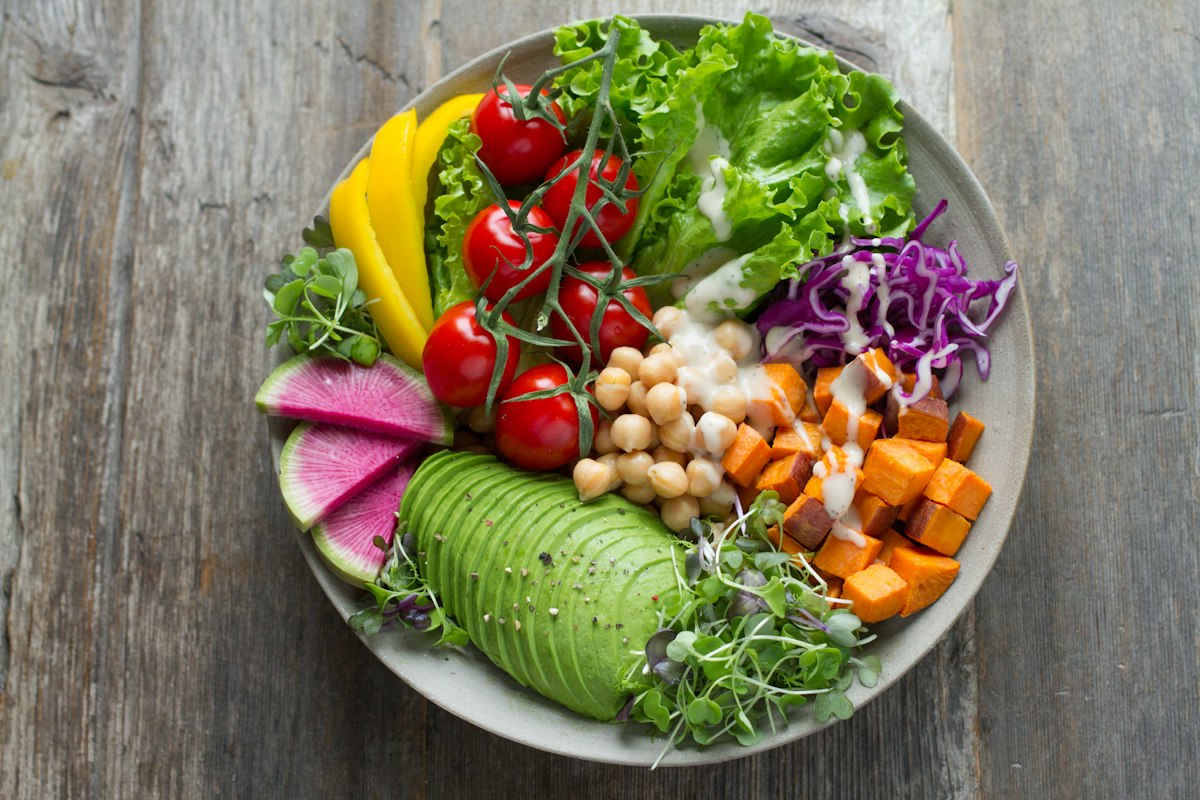
<img src="https://images.unsplash.com/photo-1512621776951-a57141f2eefd?w=900&q=80" alt="How to track calories accurately without a dietitian" style="width:100%;border-radius:16px;margin:16px 0;" loading="lazy" />
Why Accurate Calorie Tracking Matters
Studies repeatedly show that untracked calorie intake is wildly inaccurate — even among health professionals:
- The average person underestimates their daily calorie intake by 30–50%
- Restaurant meals are underestimated by an average of 175–250 calories per meal
- Home-cooked meals are underestimated because of cooking oils, sauces, and true portion sizes
- Even nutrition researchers underestimate their own intake by an average of 12%
The goal isn't perfect accuracy — it's consistent enough accuracy to see patterns and trends. Here's how to get there.
---
Tip 1: Weigh Food Raw, Not Cooked
This is the most consequential error in home calorie tracking. Food loses a significant amount of water during cooking, which concentrates its caloric density:
- 100g of raw chicken breast = ~114 calories; 100g of cooked chicken breast = ~165 calories
- 100g of raw rice = ~365 calories; 100g of cooked rice = ~130 calories
If you weigh cooked food and look up "100g cooked chicken," you'll get a different number than "100g raw chicken." The important thing is consistency — always look up the cooked entry if you weigh after cooking, or the raw entry if you weigh before. Most tracking apps have both options; the error occurs when people mix the two.
Best practice: Weigh ingredients raw before cooking whenever possible.
---
Tip 2: Track Cooking Oils Religiously
Cooking oil is one of the most undertracked calorie sources in Indian and Western cooking:
- 1 tablespoon (15ml) of any oil = 120–130 calories
- Most home cooks use 3–5 tablespoons of oil per family meal
- Oil absorbed by food during deep frying isn't visible but adds approximately 20–25% of the food's weight in oil
If you're cooking three meals at home daily and not tracking oil, you're likely missing 300–600 calories per day — enough to completely negate a calorie deficit.
Fix: Invest in a spray oil bottle (much lower volume per use), use a measuring spoon rather than pouring directly, and log every drop.
---
Tip 3: Don't Forget Beverages
Liquid calories are notoriously easy to forget and undercount:
- Masala chai with full milk and sugar: 80–120 calories per cup; 3 cups/day = 240–360 calories
- Fresh fruit juice (250ml): 110–140 calories — similar to a can of soda
- Coconut water (200ml): 45–60 calories — often assumed to be "free"
- Buttermilk/chaas (250ml): 70–90 calories
- Sports drinks: 120–160 calories per bottle
- Coffee with full-fat milk and sugar: 80–150 calories per cup
Fix: Log every beverage except plain water and plain black coffee/tea. Create saved meals in your tracking app for your daily beverages so logging them takes seconds.
---
Tip 4: Use a Food Scale for the First 3 Weeks
Most people have wildly inaccurate intuitions about portion sizes. Research from Cornell University found that people serving themselves underestimate portions by up to 37% even when looking directly at the food.
You don't need to weigh food forever. But using a digital kitchen scale (available for ₹500–₹800 / $10–$15) for 2–3 weeks trains your visual judgment to be far more accurate — and the calibration tends to stick.
After 3 weeks of weighing, most people can estimate within 10–15% accuracy visually, which is sufficient for consistent tracking.
Tip: Look for a scale that has a "tare" function (resetting to zero with a container on it) so you can weigh ingredients directly into your cooking vessel.
---
Tip 5: Log Immediately — Never From Memory
Research shows that delayed food logging (recording at end of day vs. immediately after eating) leads to 23% more calories being forgotten on average. The longer you wait, the more details you lose: the exact size of the portion, the extras you added, the small tastes while cooking.
Fix: Log within 5 minutes of eating. Keep your tracking app on your home screen. Create a habit anchor: eating triggers logging, the same way waking up triggers brushing teeth.
---
Tip 6: Handle Restaurant and Takeaway Meals Correctly
Restaurant meals are where most calorie trackers go most wrong. Restaurant portions are typically 1.5–2.5 times larger than home-cooked portions, and restaurant cooking uses far more oil, butter, cream, and salt than most people realize.
Practical strategies for dining out:
- Search your exact meal or a close equivalent in your app
- Add 30–40% to the estimated calories for restaurant food to account for oil and butter used in cooking
- For Indian restaurant food (paneer dishes, butter chicken, biryani), restaurant calories are often 2–3x what the same dish would be at home
- Choose grilled, tandoor-cooked, or steamed options — not as a flavor compromise but as a calorie management strategy
Useful resource: The USDA FoodData Central database and the NIN India nutritive value tables are the most accurate public food databases for US and Indian foods respectively.
---
Tip 7: Use the 80% Rule, Not Perfection
The biggest mistake calorie trackers make is quitting because they missed a meal or couldn't log something accurately. Perfect is the enemy of good in calorie tracking.
Research shows that tracking with 80% consistency produces nearly identical results to perfect tracking — because the untracked 20% is typically random and averages out over time.
If you missed lunch: estimate as best you can, or simply skip logging that meal and continue with dinner. A rough estimate is dramatically better than no entry. Your weekly pattern is what matters, not individual meal precision.
---
Tip 8: Use AI Photo-Recognition Technology
The most significant barrier to calorie tracking has always been the time and effort of logging — finding the right food in the database, entering the exact weight, adding each ingredient separately. AI has now made this genuinely effortless.
Modern AI calorie tracking apps allow you to photograph your meal and get an instant nutritional breakdown — no manual searching, no entering ingredients, no database hunting. For mixed dishes, home-cooked meals, and Indian foods (which are notoriously under-represented in Western food databases), AI photo recognition is a transformative improvement over manual entry.
A study in the Journal of the Academy of Nutrition and Dietetics found that AI-assisted food logging reduced logging time by 71% while maintaining comparable accuracy to manual entry — dramatically improving consistency and adherence.
The myHealthMate AI Meal Tracker uses this technology: photograph your meal, and get instant calorie and macro breakdown for both Indian and international foods — including dal, sabzi, roti, biryani, dosa, and hundreds more. No food scale required for estimates.
---
Your Daily Calorie Target: A Simple Starting Formula
If you don't know your calorie target, here's a straightforward method:
1. Calculate your TDEE (Total Daily Energy Expenditure) using the Mifflin-St Jeor equation:
- Men: (10 × weight in kg) + (6.25 × height in cm) − (5 × age) + 5, multiplied by activity factor
- Women: (10 × weight in kg) + (6.25 × height in cm) − (5 × age) − 161, multiplied by activity factor
2. Activity multipliers: Sedentary (×1.2), light activity (×1.375), moderate activity (×1.55), very active (×1.725)
3. For weight loss: Subtract 300–500 calories from your TDEE for a sustainable deficit
Or simply: use the myHealthMate AI health coach to calculate your personalized calorie target based on your age, weight, height, activity level, and goal — no manual math required.
---
Common Calorie Tracking Mistakes at a Glance
| Mistake | Typical Calorie Error | Fix |
|---|---|---|
| Not tracking oil | +300–500 cal/day | Measure oil with tablespoon |
| Estimating portions visually | +200–400 cal/day | Use scale for 3 weeks |
| Forgetting beverages | +200–400 cal/day | Log all drinks immediately |
| Logging cooked vs raw inconsistently | +100–300 cal/day | Always use raw weights |
| Tracking weekdays only | +500–800 cal on each weekend day | Track 7 days/week |
| Restaurant underestimation | +200–400 cal/meal | Add 35% buffer |
---
Frequently Asked Questions
How do I track calories in homemade Indian food?
For homemade Indian food, weigh each ingredient raw and log them individually. For dal, weigh the lentils raw and track dal + water + oil + spices separately. For sabzi, weigh the vegetables and oil. Most tracking apps have a "recipe" builder where you enter all ingredients and serving size, then it calculates per-serving nutrition automatically. AI photo recognition apps can also estimate calories for complete Indian dishes from a photo.
Is counting calories accurate for weight loss?
Calorie counting is not perfectly accurate, but it doesn't need to be. Consistent, approximate tracking creates the dietary awareness needed to maintain a caloric deficit — which is the mechanism of all weight loss. Studies consistently show people who track their food intake lose significantly more weight than those who don't, even accounting for tracking errors.
What's the best free calorie tracking app?
For Indian and international foods, myHealthMate (AI photo recognition), MyFitnessPal (largest food database), and Cronometer (most accurate micronutrient data) are the top free options. For Indian meals, AI photo recognition significantly outperforms manual database entry.
Do I need to track calories forever?
No. Most people track calories intensively for 3–6 months until they develop accurate intuitive portion judgment. After that, periodic check-in tracking (1 week per month) is enough to maintain awareness and catch drift. The goal is to internalize caloric awareness, not to track every meal indefinitely.
How many calories should I eat to lose weight?
A sustainable rate of fat loss is typically achieved with a daily deficit of 300–500 calories below your TDEE. For most women this means 1,400–1,800 calories/day; for most men, 1,800–2,200 calories/day. Never go below 1,200 (women) or 1,500 (men) calories without medical supervision, as this can impair metabolism, muscle mass, and hormonal health.
---
Related: Why Am I Not Losing Weight Despite Exercise? · How Many Steps Per Day to Lose Weight? · What to Eat for Better Energy All Day