Reviewed September 12, 2026 · Supplement safety guide
Protein powders are generally safe for many healthy adults when used as directed, but they are not risk-free or necessary for everyone. Product quality, dose, allergens, medicines and existing kidney, liver or digestive conditions all affect safety.
Protein powder is a convenience food supplement—not a shortcut that automatically builds muscle or improves health.
What Is in Protein Powder?
Common products use whey, casein, soy, pea, rice, egg or blends. They may also contain sweeteners, flavours, thickeners, vitamins, minerals, caffeine, herbs or performance ingredients.
| Type | Source | Common considerations |
|---|---|---|
| Whey | Milk | Complete protein; may contain lactose |
| Whey isolate | Milk | Usually less lactose; often more processed |
| Casein | Milk | Digests more slowly; milk allergy still applies |
| Soy | Soybeans | Complete plant protein; check soy allergy |
| Pea | Yellow peas | Dairy-free; texture and sodium vary |
| Rice or blends | Rice and other plants | Blends may improve amino-acid balance |
The exact label matters more than the marketing category.
Main Protein Powder Safety Concerns
Supplement quality and contamination
In the United States, dietary supplements are not approved by the FDA for safety and effectiveness before sale in the same way medicines are. The FDA supplement guide recommends discussing supplements with a healthcare professional and reporting serious adverse events.
In India, check that the product carries appropriate FSSAI labelling, manufacturer details, batch number and expiry information. Avoid loose powders and marketplace sellers that cannot verify authenticity.
Added ingredients
A “protein” product may include high caffeine, herbal stimulants, large vitamin doses, sugar alcohols or proprietary blends. These can cause side effects or interact with medicines.
Allergies and digestion
Milk, soy and egg proteins can trigger allergies. Lactose, sugar alcohols, gums or large servings may cause bloating, cramps or diarrhoea.
Too much total protein
More is not automatically better. Protein needs depend on body size, age, training and health. Use How Much Protein Do You Need? to estimate a food-first target.
Does Protein Powder Damage the Kidneys?
For healthy adults, ordinary protein intakes have not been shown to “destroy” healthy kidneys. However, people with chronic kidney disease may need an individual protein target because damaged kidneys handle protein waste differently.
Ask a clinician or renal dietitian before using protein supplements if you have kidney disease, reduced kidney function, recurrent kidney stones, diabetes with kidney concerns or unexplained abnormal creatinine/eGFR results.
How to Choose a Safer Protein Powder
| Label check | Better sign | Warning sign |
|---|---|---|
| Ingredient list | Short and understandable | Large proprietary blend |
| Protein per serving | Fits your actual target | Extreme dose without reason |
| Added sugar | Low or appropriate for your plan | Sugar among first ingredients |
| Stimulants | None unless intentionally chosen | Hidden caffeine or multiple stimulants |
| Testing | Independent certification or accessible batch testing | Vague “lab tested” claim only |
| Seller | Manufacturer or authorised retailer | Unverified third-party seller |
| Allergen statement | Clear milk, soy, egg or nut disclosure | Missing or inconsistent information |
Third-party seals do not make a supplement medically necessary, but they can add quality assurance. Athletes subject to drug testing should search the exact product in a recognised directory such as NSF Certified for Sport rather than assuming “natural” means banned-substance free.
Who Should Ask a Doctor First?
Get individual advice if you:
- Have kidney, liver or significant digestive disease
- Are pregnant or breastfeeding
- Are under 18 or an older adult with complex health needs
- Take medicines that may interact with supplement ingredients
- Have milk, soy, egg or other food allergies
- Have a history of disordered eating
- Experience swelling, rash, breathing difficulty, persistent vomiting or severe abdominal symptoms
Urgent allergy symptoms require immediate medical care.
Food vs Protein Powder
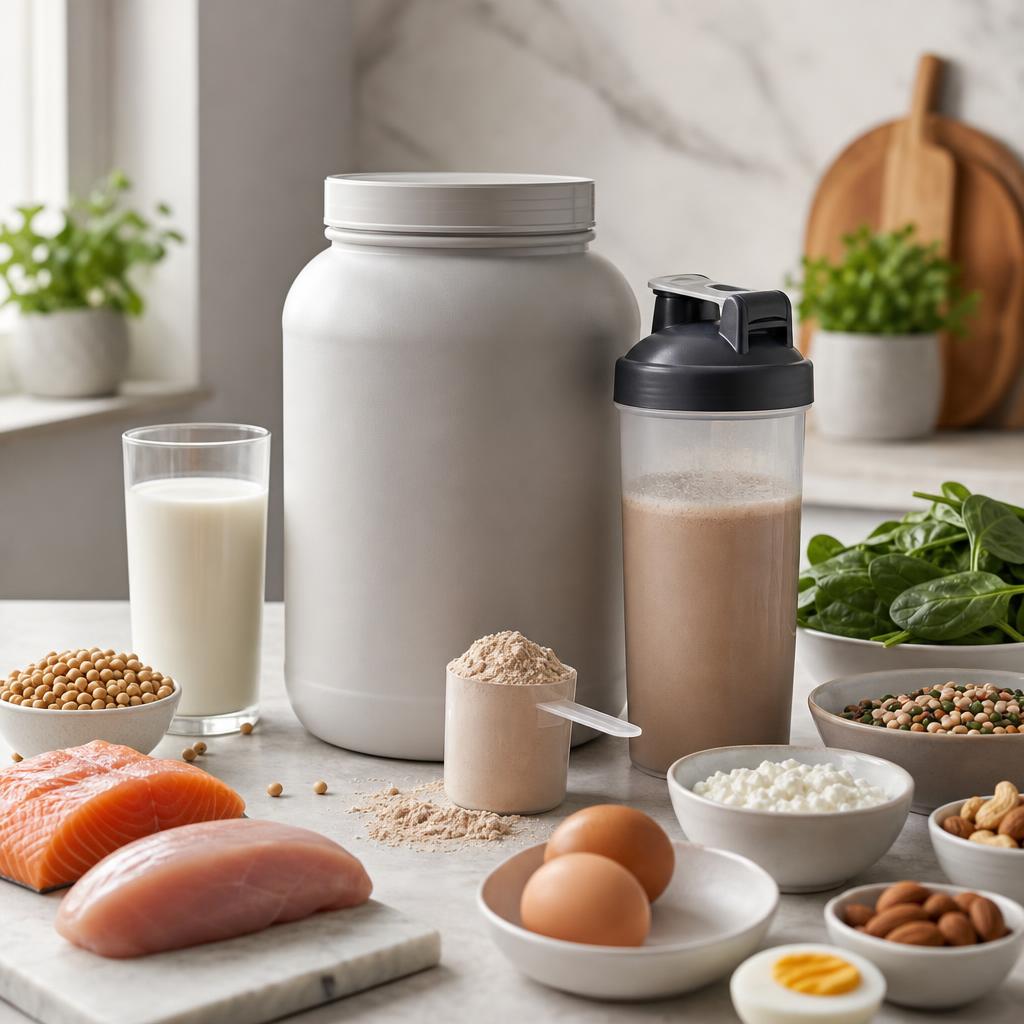
Whole foods provide protein plus fibre, healthy fats, vitamins or minerals. Eggs, dairy, soy, tofu, lentils, beans, fish, poultry, nuts and seeds can meet most people's needs. The NIH Office of Dietary Supplements performance guide explains the evidence and safety issues behind common sport supplements.
Powder is useful when appetite, schedule, travel or training makes food inconvenient. It should fill a practical gap rather than replace most meals. Our Vegetarian and Vegan Protein Guide offers food-based alternatives.
How to Use Protein Powder Sensibly
1. Calculate your approximate daily need.
2. Check how much protein already comes from food.
3. Choose the smallest serving that closes the gap.
4. Review every active ingredient and allergen.
5. Buy from a reliable seller.
6. Stop and seek advice if you develop a concerning reaction.
Track powder as part of the whole diet in myHealthMate rather than treating it as “free” nutrition. The calories, sweeteners and serving size still count.
Frequently Asked Questions About Protein Powder Safety
Is it safe to take protein powder every day?
It can be for many healthy adults when the product is reputable and total intake suits their needs. Daily use is not automatically necessary or appropriate.
Is whey protein safe?
Whey is generally safe for people who tolerate milk proteins. It may cause digestive symptoms in people with lactose intolerance, and it is unsuitable for a milk-protein allergy.
Can protein powder affect the kidneys?
People with healthy kidneys can usually handle normal protein intake. Kidney disease changes the recommendation, so individual medical guidance is important.
How can I tell if a protein powder is good quality?
Look for transparent ingredients, realistic dosing, independent certification or batch testing, complete allergen information and purchase through an authorised seller.
Are plant protein powders safer than whey?
Not automatically. Plant powders avoid dairy but can still contain allergens, contaminants, sweeteners or poorly disclosed blends. Evaluate the individual product.
Do beginners need protein powder?
No. Beginners can build strength and meet protein needs through food. Powder is optional convenience when food intake falls short.
Related: Balanced Diet Guide · Best Breakfast Foods for Weight Loss · 7-Day Diet Plan for Busy People