Last updated: September 1, 2026 · Reviewed by the myHealthMate editorial team
Searches for how much protein do I need often produce extreme answers: eat as much as possible, or aim for a fixed number like 100 grams. In reality, your daily protein requirement depends on body weight, age, activity, pregnancy or breastfeeding, goals, and kidney or other health conditions.
For a healthy adult, the standard starting point is 0.8 grams of protein per kilogram of body weight per day. That is about 0.36 grams per pound. It is a minimum recommended intake for many adults, not necessarily the ideal target for someone training hard, older, recovering from illness, or dieting.
How to Calculate Your Protein Target
Use this simple equation:
Body weight in kilograms × 0.8 = baseline protein grams per day
For example, a 70 kg adult gets a baseline of about 56 grams per day. A person who weighs 154 pounds can divide by 2.2 to get about 70 kg, then multiply by 0.8.
This is a starting point, not a diagnosis or personalised prescription. The Harvard T.H. Chan School of Public Health explains that protein needs can be higher for older adults, athletes, and people with specific health goals.
Protein Needs by Goal
General health
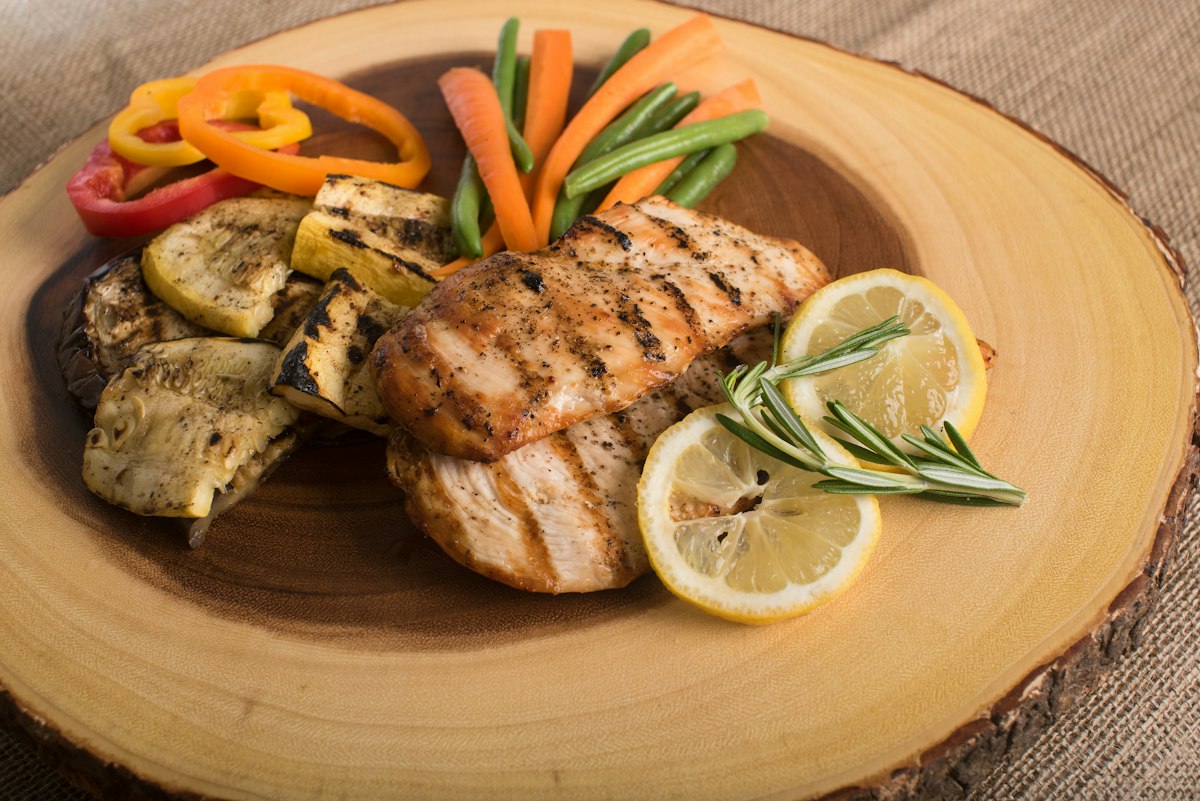
Most healthy adults can meet basic needs by including a protein food at each meal. Eggs, yogurt, fish, chicken, tofu, lentils, beans, milk, paneer, nuts, and seeds all count.
Weight loss
Protein can make meals more filling and helps preserve lean mass during a calorie deficit. A dietitian may suggest a higher target than the baseline, often roughly 1.2–1.6 g/kg/day depending on the person. The best amount is the one you can reach with a balanced diet and reasonable calories.
Strength training and muscle gain
People who lift weights or train regularly may benefit from around 1.2–2.0 g/kg/day, spread across meals. More is not automatically better. Training quality, total calories, carbohydrate, sleep, and progressive overload matter too.
Older adults
Older adults may need more protein per meal to support muscle maintenance, but kidney function and other medical factors matter. Ask a doctor or registered dietitian for an individual target.
How Much Protein Should You Eat at One Time?
There is no magic limit, but spreading protein across breakfast, lunch, dinner, and a snack can be easier on appetite and useful for muscle protein synthesis. A practical meal target for many adults is 20–35 grams, adjusted for body size and needs.
Examples:
- Breakfast: Greek yogurt with oats and seeds, or eggs with whole-grain toast.
- Lunch: dal with rice and curd, a chicken grain bowl, or tofu with vegetables.
- Snack: milk, soy yogurt, roasted chickpeas, or a handful of nuts.
- Dinner: fish and potatoes, paneer with vegetables, or bean chili.
High-Protein Foods: Animal and Plant Options
Animal foods such as eggs, fish, chicken, milk, Greek yogurt, and cottage cheese are protein-dense. Plant foods such as soy, tofu, tempeh, lentils, chickpeas, rajma, peas, quinoa, peanuts, pumpkin seeds, and seitan can also build a high-protein diet.
For vegans, fortified soy milk and tofu are especially useful because they provide protein in a familiar, versatile form. Pair meals with a variety of plants over the day rather than worrying about combining exact foods in every bite.
Signs Your Protein Plan Needs a Rethink
You may need professional advice if you have kidney disease, liver disease, a history of eating disorders, are pregnant, or are losing weight unintentionally. Very high-protein diets can displace fibre-rich foods and may be difficult to balance.
Protein powders are optional, not essential. They can help when food is inconvenient, but check serving size, added sugar, allergens, and third-party testing. Food-first is a sensible default.
myHealthMate lets you track protein alongside meals, calories, steps, sleep, and weight. Use the AI meal scanner nutrition guide to make logging faster and the balanced diet guide to keep protein in context.
Frequently Asked Questions About Protein
How much protein do I need a day?
The standard adult protein RDA is 0.8 g/kg of body weight per day, or about 0.36 g/lb. People who are older, pregnant, active, dieting, or recovering may need a different amount.
How much protein should I eat to lose weight?
Many adults aiming to lose weight may do well with a higher intake around 1.2–1.6 g/kg/day, but this is not a universal prescription. Calories, food quality, activity, and medical history matter.
Can you eat too much protein?
Yes. Very high intakes can crowd out fibre-rich foods and may be inappropriate for people with kidney or other medical conditions. More protein does not guarantee more muscle or faster fat loss.
Do vegetarians get enough protein?
Yes. Lentils, beans, soy foods, dairy, eggs, peas, quinoa, nuts, and seeds can provide enough protein when eaten as part of a varied diet. Vegans should pay attention to fortified foods and overall meal planning.
Is protein powder necessary for muscle gain?
No. Protein powder is a convenient supplement, not a requirement. Most people can meet their target with food; a powder is useful when schedule, appetite, or access makes food-based protein difficult.
Related: Best Protein Sources for Vegetarians and Vegans · Best Breakfast Foods for Weight Loss · How to Track Calories Accurately