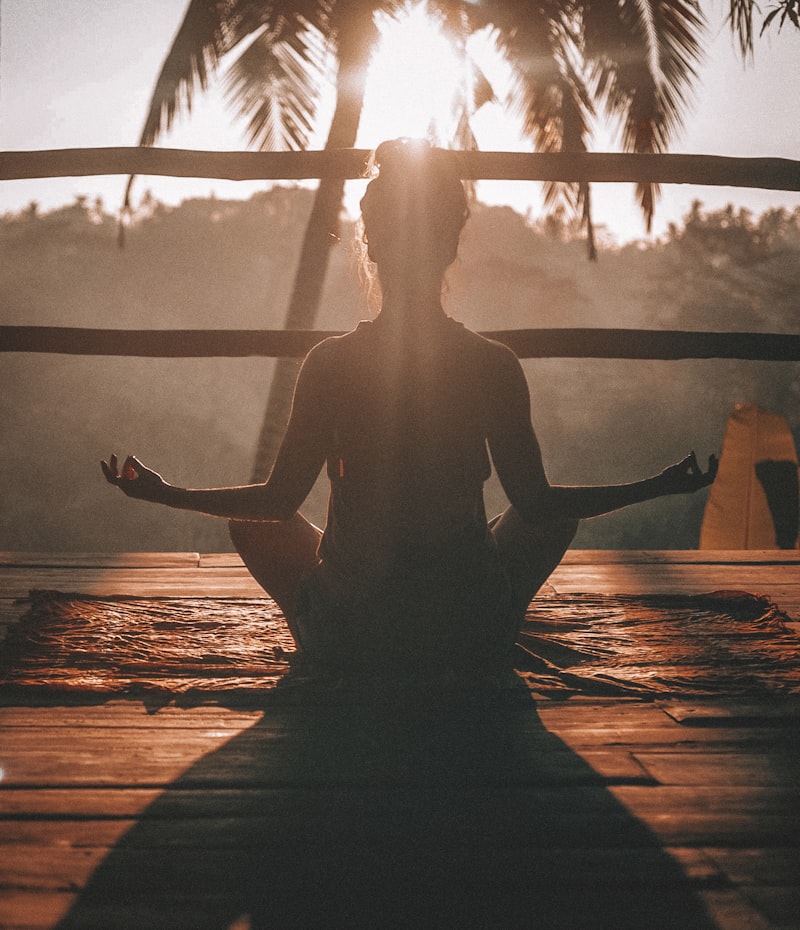

Mental health has finally entered mainstream conversation, and for good reason. According to the World Health Organization, one in four people will experience a mental health condition at some point in their lives. Yet despite its prevalence, many people still don't know where to start when it comes to taking care of their mental well-being.
Mindfulness offers a practical, evidence-based starting point — and it's far more accessible than most people think.
What Mindfulness Actually Is
Mindfulness isn't about emptying your mind or sitting in perfect silence for an hour. It's simply the practice of paying attention to what's happening right now — your thoughts, feelings, physical sensations, and surroundings — without judging any of it.
When you eat mindfully, you notice the taste and texture of your food instead of scrolling your phone. When you walk mindfully, you feel your feet on the ground and the air on your skin. When you listen mindfully, you actually hear what someone is saying instead of planning your response.
That's it. It sounds simple because it is. But simple doesn't mean easy — and the benefits are substantial.
The Science Behind Mindfulness
This isn't wellness fluff. Hundreds of peer-reviewed studies support mindfulness's benefits:
- Reduced stress. Mindfulness practice lowers cortisol levels, the primary stress hormone. Participants in mindfulness programs report 30-40% reductions in perceived stress.
- Better emotional regulation. Regular practitioners are better at managing difficult emotions without being overwhelmed by them.
- Improved focus. Mindfulness training improves attention span and reduces mind-wandering, even in people with ADHD.
- Better sleep. Mindfulness-based interventions significantly improve sleep quality, particularly for people with insomnia.
- Reduced anxiety and depression symptoms. Multiple studies show mindfulness-based therapies are as effective as medication for preventing depression relapse.
Starting Your Mindfulness Practice
Breathing Exercises
Breath is the simplest anchor for mindfulness. You always have it, and focusing on it instantly brings you to the present moment.
Box Breathing (4-4-4-4): Inhale for 4 seconds, hold for 4 seconds, exhale for 4 seconds, hold for 4 seconds. Repeat 4-6 times. This technique is used by Navy SEALs for stress management — if it works under extreme pressure, it works for daily life.
4-7-8 Breathing: Inhale for 4 seconds, hold for 7 seconds, exhale slowly for 8 seconds. This activates your parasympathetic nervous system and is particularly helpful before sleep.
Simple Breath Awareness: Just breathe naturally and count each exhale. When you reach 10, start over. When your mind wanders (it will), gently bring it back without criticizing yourself.
Body Scan Meditation
Lie down or sit comfortably. Starting from the top of your head, slowly move your attention down through your body — forehead, jaw, neck, shoulders, arms, chest, abdomen, hips, legs, feet.
Notice what you feel in each area without trying to change anything. Tension? Warmth? Tingling? Nothing at all? All of these are fine. The practice is in the noticing.
This exercise takes 5-10 minutes and is excellent for releasing physical tension you didn't know you were holding.
Mindful Walking
Pick a short route — even just across a room. Walk slowly and pay attention to the physical sensations: your feet touching the ground, the shift of weight from one leg to the other, the movement of your arms.
This is particularly useful during a stressful workday. A 3-minute mindful walk resets your nervous system more effectively than checking social media.
Integrating Mindfulness Into Daily Life
You don't need to add another task to your day. Instead, attach mindfulness to activities you already do:
- Mindful teeth brushing — feel the bristles, taste the toothpaste, notice the sensations
- Mindful eating — for even one meal, put your phone away and pay attention to your food
- Mindful commuting — notice five things you can see, four things you can hear, three things you can feel
- Mindful transitions — when you finish one task and start another, pause for three breaths
Tracking Your Mental Well-Being
One of the most useful things you can do for your mental health is track your mood daily. It takes ten seconds — just note how you're feeling: calm, happy, stressed, anxious, tired, energized.
Over weeks and months, mood tracking reveals patterns. Maybe you always feel anxious on Sundays (anticipating the work week). Maybe you feel happiest after days with exercise. Maybe your stress peaks at certain times of the month.
These patterns aren't always obvious when you're living them day by day, but they become crystal clear when you can look at a week or month of data. And once you see the patterns, you can start addressing the root causes.
Building a Sustainable Practice
Start with just 2-3 minutes daily. Seriously. A short practice you do consistently is infinitely more valuable than a long practice you abandon after a week.
Use these guidelines:
- Week 1-2: 2-3 minutes of breathing exercises daily
- Week 3-4: Add a 5-minute body scan three times a week
- Month 2: Try a 10-minute guided meditation twice a week
- Month 3+: Find what works and make it your own
The goal isn't to become a meditation expert. It's to build a sustainable habit that supports your mental health for years to come.
When to Seek Professional Help
Mindfulness is a powerful tool, but it's not a substitute for professional mental health care. If you're experiencing persistent anxiety, depression, or emotional distress that interferes with daily life, please reach out to a qualified mental health professional.
Mindfulness and therapy work beautifully together — many therapists incorporate mindfulness techniques into their treatment approaches. Think of mindfulness as one tool in your mental health toolkit, not the entire toolkit.
According to the World Health Organization, one in four people globally will experience a mental health condition at some point in their lives. Evidence-based practices like mindfulness-based stress reduction (MBSR) have been shown in hundreds of peer-reviewed studies to measurably reduce anxiety, depression symptoms, and cortisol levels.
Related: Simple Wellness Routines You Can Start Today · How AI Is Changing the Way We Manage Personal Health