
Reviewed September 12, 2026 · General sleep education
The best nighttime habits for better sleep are simple and repeatable: keep a consistent schedule, create a short wind-down period, reduce bright light, avoid late caffeine and heavy meals, and make the bedroom quiet, dark and comfortably cool.
A perfect routine is not required. Start with two habits you can maintain every night, then adjust based on your sleep pattern.
10 Nighttime Habits That Support Better Sleep
| Habit | Practical target | Why it may help |
|---|---|---|
| 1. Keep a steady bedtime | Stay within roughly the same window | Supports the body clock |
| 2. Set a wake time | Keep it consistent, including weekends when possible | Anchors sleep timing |
| 3. Dim the lights | Use warmer, lower light before bed | Reduces strong alerting signals |
| 4. Put screens away | Create a device-free buffer | Reduces light, stimulation and delay |
| 5. Limit late caffeine | Avoid it for several hours before bed | Caffeine can remain active for hours |
| 6. Time dinner sensibly | Avoid very heavy meals immediately before bed | May reduce discomfort and reflux |
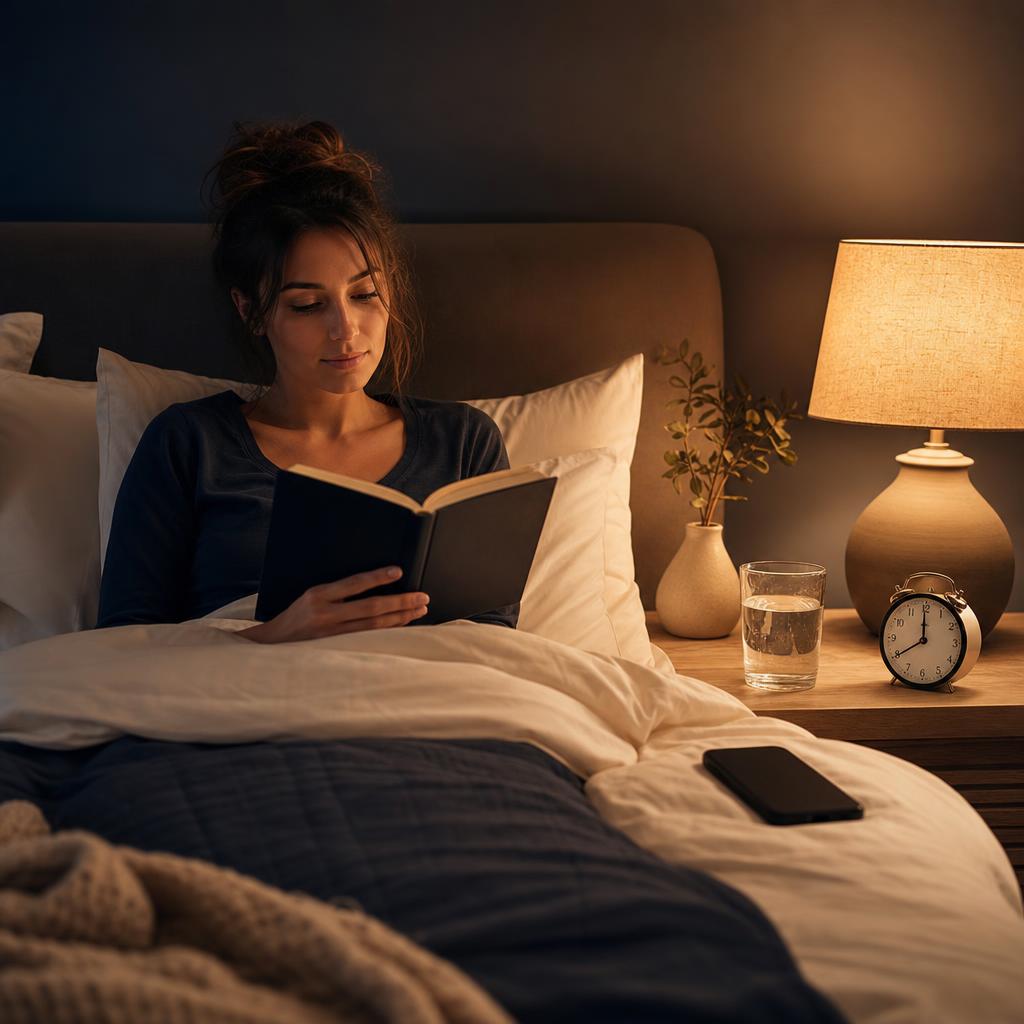
| 7. Use a wind-down cue | Read, stretch, breathe or take a warm shower | Repeats a signal that the day is ending |
| 8. Prepare the room | Dark, quiet and comfortably cool | Reduces environmental disruptions |
| 9. Avoid clock-watching | Turn the clock away | Helps reduce sleep-performance anxiety |
| 10. Leave bed if wide awake | Do a quiet activity in dim light, then return when sleepy | Reconnects bed with sleep |
A Simple 30-Minute Bedtime Routine
30 minutes before bed
Lower the lights, finish urgent tasks and put the phone on charge away from the bed. Write tomorrow's top priorities so you do not rehearse them mentally.
20 minutes before bed
Complete personal care, adjust room temperature and prepare water or anything needed overnight. Avoid turning this into a complicated wellness checklist.
10 minutes before bed
Choose one quiet activity: paper reading, gentle stretching, slow breathing, prayer, journaling or calm music. Keep the cue consistent.
Screens, Blue Light and Mental Stimulation
Light matters, but content matters too. A dimmed phone can still keep you awake through work messages, short-form video, news or arguments. Use night mode if needed, but the stronger habit is creating a stopping point.
If your phone is your alarm, place it across the room and use Do Not Disturb. This removes the temptation to check one more notification.
Caffeine, Alcohol and Nighttime Food
Caffeine sensitivity varies. Coffee, strong chai, energy drinks, cola, pre-workout products and some medicines can interfere with sleep even when consumed hours earlier.
Alcohol can make a person feel sleepy initially but may fragment sleep later. Nicotine is stimulating. Large, spicy or high-fat meals close to bedtime may worsen reflux, while going to bed very hungry can also be uncomfortable.
Choose a lighter snack only if needed, such as plain yogurt, milk, fruit with a small portion of nuts, or another familiar food. Read Best Foods for Better Sleep for meal-specific guidance.
How Much Sleep Do Adults Need?
Most adults need at least seven hours, but needs vary. The CDC sleep overview and NHLBI sleep-duration guide explain that sleep quality and regularity matter alongside duration.
Trying to force sleep can increase frustration. Focus on giving your body a consistent opportunity to sleep.
What If Good Sleep Habits Are Not Enough?
Sleep hygiene is supportive, not a cure for every sleep disorder. Talk with a clinician if you regularly:
- Take a long time to fall asleep or stay awake for long periods
- Snore loudly, gasp, choke or stop breathing
- Feel dangerously sleepy while driving or working
- Have uncomfortable urges to move your legs
- Depend on alcohol, antihistamines or sleeping pills
- Experience sleep problems for months despite enough opportunity
The NHLBI insomnia guide describes evidence-based evaluation and treatment. Cognitive behavioural therapy for insomnia is often a first-line treatment for chronic insomnia.
Track the Pattern Without Obsessing
Use myHealthMate to log sleep duration, bedtime consistency, caffeine timing, mood and exercise. Review weekly patterns rather than grading every night. See Why Sleep Matters for Weight Loss and Daily Habits That Reduce Anxiety for related routines.
Frequently Asked Questions About Nighttime Habits
What is the best habit for better sleep?
A consistent wake time is one of the strongest anchors for the body clock. Pair it with a realistic bedtime that allows enough sleep.
How long should a bedtime routine be?
It can be 15–60 minutes. A short routine you repeat is usually more useful than an elaborate routine you abandon.
Should I stop using my phone before bed?
Creating a 30–60 minute screen-free buffer helps many people. If that is unrealistic, reduce brightness, stop stimulating content and keep the phone away from the pillow.
Is it okay to exercise at night?
Yes for many people. If intense late exercise leaves you alert, finish earlier or choose gentler movement near bedtime.
What should I do if I cannot fall asleep?
If you remain wide awake and frustrated, leave bed for a quiet activity in dim light. Return when sleepy and avoid repeatedly checking the time.
Can a bedtime routine cure insomnia?
Not always. Chronic insomnia often needs structured assessment and treatment. Seek professional help when sleep problems persist or impair daytime safety.
Related: AI Fitness and Sleep Optimization · Best Foods for Better Sleep · Complete Health Tracking Guide