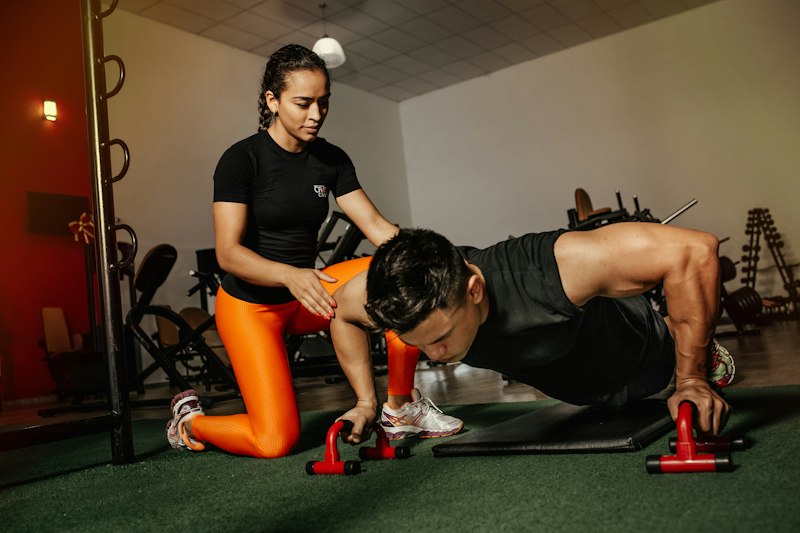
Fitness and sleep are deeply connected. Poor sleep undermines your workouts. Intense exercise at the wrong time disrupts your sleep. Getting both right requires understanding your body's unique patterns, and that is exactly where an AI wellness coach excels.
Instead of following generic fitness plans and sleep advice, AI-powered tools analyze your personal data to provide recommendations tailored to your body, schedule, and goals.
How AI Transforms Fitness Planning
Personalized Workout Recommendations
Traditional fitness plans are built for the average person. But you are not average. Your fitness level, recovery rate, schedule, and goals are unique. An AI wellness coach analyzes your activity data, tracks your progress, and adjusts recommendations based on how your body actually responds.
If you are recovering slowly from strength training sessions, the AI might suggest more rest days or lighter recovery workouts. If your cardio performance plateaus, it might recommend interval training variations to break through.
Adaptive Intensity
One of the biggest mistakes people make is training too hard on days when their body needs recovery, or going too easy when they have energy to spare. AI-powered fitness tools can assess your readiness based on sleep quality, resting heart rate, and previous workout intensity.
This data-driven approach prevents overtraining while ensuring you make the most of high-energy days. The result is more consistent progress with fewer injuries and less burnout.
Nutrition-Fitness Connection
A personalized nutrition assistant that integrates with your fitness data can optimize your pre and post workout nutrition. It knows when you train, how intensely you train, and what your body needs to perform and recover.
Check out our guide on what to eat for better energy for meal ideas that support an active lifestyle.
For example, on heavy lifting days, the AI might suggest higher protein intake and more complex carbohydrates. On rest days, it adjusts your nutritional targets accordingly. This dynamic approach to nutrition is far more effective than static meal plans.
AI-Powered Sleep Optimization
Understanding Your Sleep Architecture
Sleep is not a single state. It cycles through light sleep, deep sleep, and REM sleep throughout the night. Each stage serves different recovery functions. Deep sleep restores your body physically, while REM sleep processes memories and emotions.
An AI wellness coach tracks these patterns and identifies where your sleep quality suffers. Maybe you are getting enough total hours but not enough deep sleep. Or maybe your REM cycles are fragmented. Understanding the specifics allows for targeted improvements.
Identifying Sleep Disruptors
AI excels at finding correlations in your data that you would never notice on your own. It might discover that your sleep quality drops significantly on days when you eat dinner after 8 PM. Or that caffeine after 1 PM consistently reduces your deep sleep by 30 percent.
These insights are incredibly specific and actionable. Instead of following generic "sleep hygiene" tips, you get recommendations based on your actual patterns.
Optimizing Your Sleep Schedule
Your body has a natural circadian rhythm, but it does not always align with your schedule. AI can help you find your optimal sleep and wake times by analyzing when you naturally fall asleep fastest, when you achieve the deepest sleep, and when you wake feeling most refreshed.
Small adjustments, like shifting your bedtime by 30 minutes, can significantly improve sleep quality when guided by data rather than guesswork.
The Fitness-Sleep Feedback Loop
The relationship between exercise and sleep works both ways:
Exercise Improves Sleep
Regular physical activity increases the amount of deep sleep you get, reduces the time it takes to fall asleep, and improves overall sleep quality. However, timing matters. Intense exercise within two hours of bedtime can actually disrupt sleep for many people.
An AI wellness coach tracks this relationship for you specifically. It might find that your sweet spot for evening workouts is finishing at least three hours before bed, or that morning exercise gives you the best sleep outcomes.
Sleep Improves Exercise
Quality sleep directly affects your workout performance, motivation, and recovery. Studies show that even one night of poor sleep reduces strength by up to 20 percent and endurance by up to 30 percent.
When your AI-powered fitness tracker detects a poor night of sleep, it can automatically adjust your workout recommendation. Instead of pushing through a planned intense session on minimal sleep, you get a modified plan that supports recovery.
Practical Tips for AI-Optimized Wellness
Start Tracking Consistently
The more data your AI wellness coach has, the better its recommendations become. Track your sleep, workouts, meals, and energy levels daily for at least two weeks before expecting meaningful insights.
Trust the Data Over Feelings
Sometimes the AI will recommend a rest day when you feel energized, or suggest a workout when you feel tired. Your readiness data often tells a different story than your subjective feelings. Learning to trust data-driven recommendations takes time but yields better results.
Review Weekly Trends
Check out our guide on simple wellness routines for beginners for foundational habits that pair well with AI-driven optimization.
Daily fluctuations are normal. What matters is the weekly and monthly trajectory. A good AI wellness coach presents trend data that shows your overall direction, not just daily snapshots.
Combine AI Insights With Professional Guidance
AI provides excellent data analysis and pattern recognition. Combine these insights with guidance from fitness professionals and healthcare providers for the best outcomes. The AI handles the data. The human experts handle the nuance.
The Bottom Line
AI-powered fitness and sleep optimization is not about letting a machine control your life. It is about having an intelligent assistant that notices patterns you miss, prevents mistakes you would make, and helps you consistently make better decisions about how you train, eat, and rest.
The technology is here, it is accessible, and it works. The question is not whether AI can improve your fitness and sleep. It is whether you are ready to let data guide your wellness journey.
According to a landmark study in the British Journal of Sports Medicine, combining structured exercise with adequate sleep (7–9 hours) reduces all-cause mortality risk by 40% compared to individuals who are physically inactive and sleep-deprived — reinforcing why optimising both together is far more powerful than focusing on either alone.