
Medically cautious educational guide · Reviewed September 12, 2026
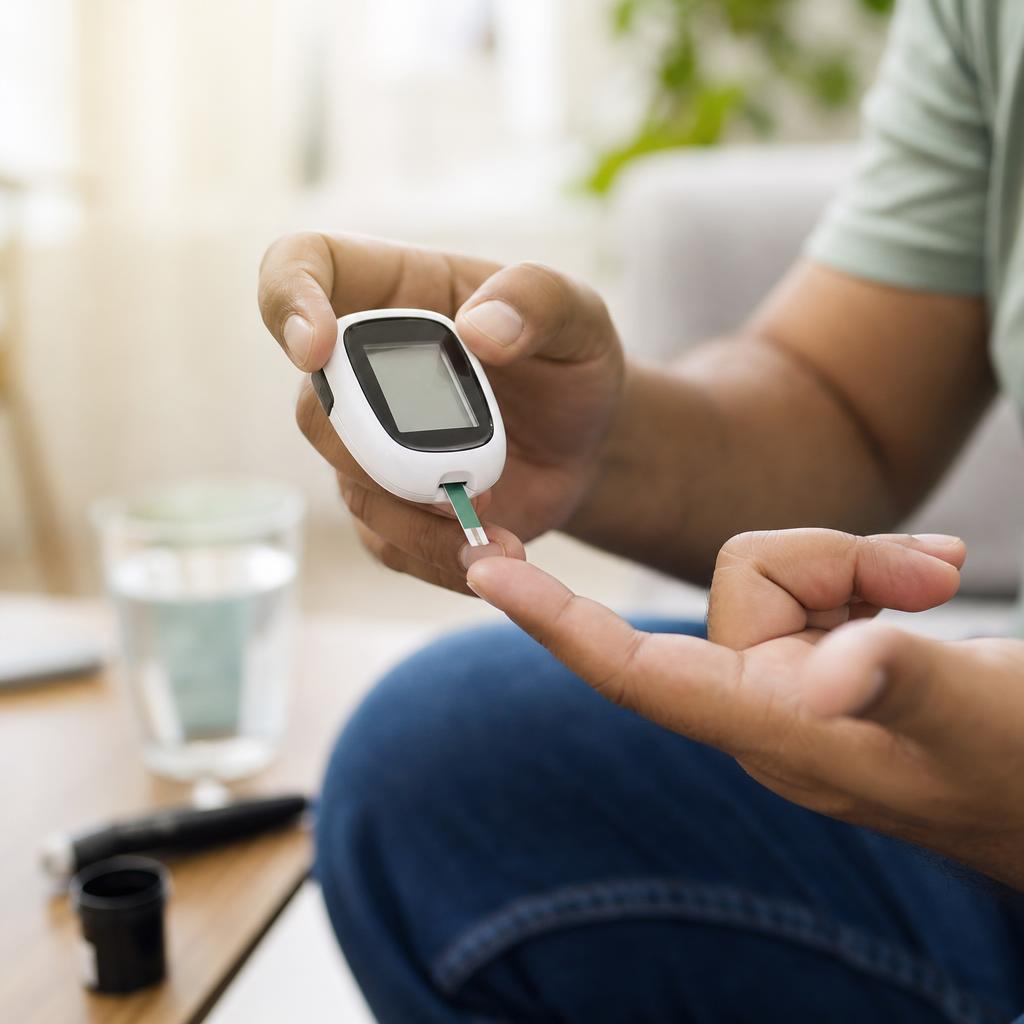
Prediabetes usually has no obvious early signs. Blood glucose is higher than normal but not yet in the diabetes range, and many people feel completely well. A blood test—not symptoms alone—is the reliable way to identify it.
That makes risk awareness important. If you have a family history of type 2 diabetes, overweight or obesity, low physical activity, previous gestational diabetes, polycystic ovary syndrome or other risk factors, ask a clinician whether you should be tested.
What Is Prediabetes?
Prediabetes means glucose levels are above the normal range but below the diagnostic threshold for diabetes. It reflects impaired glucose regulation and raises future risk of type 2 diabetes, heart disease and stroke.
According to the CDC prediabetes guide, lifestyle changes can meaningfully reduce progression risk. Prediabetes is a warning and an opportunity—not a personal failure.
Are There Early Signs of Prediabetes?
Most people have no symptoms. Possible changes such as tiredness, increased thirst or frequent urination are not specific and are more commonly associated with higher glucose levels or established diabetes. Do not wait for symptoms if you are at risk.
| Possible clue | What it may mean | What to do |
|---|---|---|
| No symptoms | The most common situation | Consider screening based on age and risk |
| Dark, velvety skin patches | Acanthosis nigricans can be associated with insulin resistance | Ask a clinician to evaluate it |
| Increased thirst or urination | Can occur when glucose is significantly elevated | Arrange prompt testing |
| Blurred vision or unusual fatigue | Has many possible causes, including high glucose | Seek medical assessment |
| Slow-healing wounds or unexplained weight loss | More concerning for diabetes or another condition | Contact a clinician promptly |
Symptoms cannot tell you whether you have prediabetes, diabetes or another health issue. Testing provides the answer.
Prediabetes Risk Factors
Common risk factors include:
- A parent or sibling with type 2 diabetes
- Overweight or obesity, especially around the waist
- Low levels of physical activity
- Age-related risk
- Previous gestational diabetes or delivering a large baby
- Polycystic ovary syndrome
- High blood pressure or abnormal cholesterol
- Sleep apnea
- Belonging to a population with higher type 2 diabetes risk, including South Asian ancestry
South Asian adults may develop metabolic risk at lower body-mass levels than some other populations. Indian readers should not assume a “normal-looking” body size rules out risk.
Tests and Prediabetes Ranges
The following are commonly used laboratory ranges. Diagnosis should be confirmed and interpreted by a qualified clinician.
| Test | Normal | Prediabetes range | Diabetes range |
|---|---|---|---|
| A1C | Below 5.7% | 5.7%–6.4% | 6.5% or higher |
| Fasting plasma glucose | 99 mg/dL or below | 100–125 mg/dL | 126 mg/dL or higher |
| 2-hour oral glucose tolerance test | 139 mg/dL or below | 140–199 mg/dL | 200 mg/dL or higher |
The NIDDK testing guide explains that results may need repeat confirmation when there are no classic symptoms. A1C can also be less reliable with some anaemias, haemoglobin variants, pregnancy, kidney disease or recent blood loss.
When Should You Get Tested?
Ask about screening if you have risk factors, have had gestational diabetes, or were previously told your glucose was borderline. Testing may also be appropriate when routine blood work shows a rising A1C or fasting glucose.
Seek prompt care for marked thirst, frequent urination, vomiting, unexplained weight loss, confusion, weakness or very high home glucose readings. These are not “wait and see” symptoms.
What to Do After a Prediabetes Result
Confirm and understand the result
Review the test type, exact value, trend and medicines or conditions that may affect it. A single number is not your whole health picture.
Build repeatable meals
Use vegetables, protein, pulses, whole grains and sensible portions as foundations. Our Low-Glycemic Foods Guide explains why total carbohydrate and meal structure matter more than a magic ingredient.
Move regularly
Walking, resistance training and reducing long sitting periods can all support glucose regulation. Start at a level that is safe for you and progress gradually.
Prioritise sleep and follow-up
Sleep, stress and medication review belong in the plan. Follow the retesting schedule your clinician recommends.
The American Diabetes Association prediabetes resource and NIDDK insulin-resistance guide provide additional evidence-based context.
Track Habits, Not Diagnoses
myHealthMate can help you track meals, movement, sleep, weight and reports, but it does not replace a diagnostic blood test or clinician. Use trends to prepare better questions for appointments. If you have a report, start with How to Read Blood Test Results.
Frequently Asked Questions About Prediabetes
What is the first sign of prediabetes?
Usually there is no first sign. Prediabetes is most often found through A1C, fasting glucose or an oral glucose tolerance test before symptoms appear.
Can you have prediabetes and feel healthy?
Yes. Many people with prediabetes feel completely well. Feeling healthy does not rule it out when risk factors are present.
Does frequent urination mean prediabetes?
Not necessarily. Frequent urination has many causes and is more associated with higher glucose levels. A blood test is needed to identify the cause.
What A1C level means prediabetes?
An A1C from 5.7% to 6.4% is commonly classified as prediabetes. A clinician should interpret it in context and confirm unexpected results.
Can prediabetes return to a normal range?
Yes, many people improve glucose levels through sustainable activity, food, sleep, weight-management and medical support. Ongoing follow-up remains important because risk can return.
Is prediabetes the same as diabetes?
No. Prediabetes is below the diabetes diagnostic range, but it signals increased risk. It deserves follow-up rather than panic or neglect.
Related: How to Lower Blood Sugar Naturally · Understanding Blood Reports with AI · Balanced Diet Guide