
Reviewed September 12, 2026 · Educational guide, not individual diabetes treatment
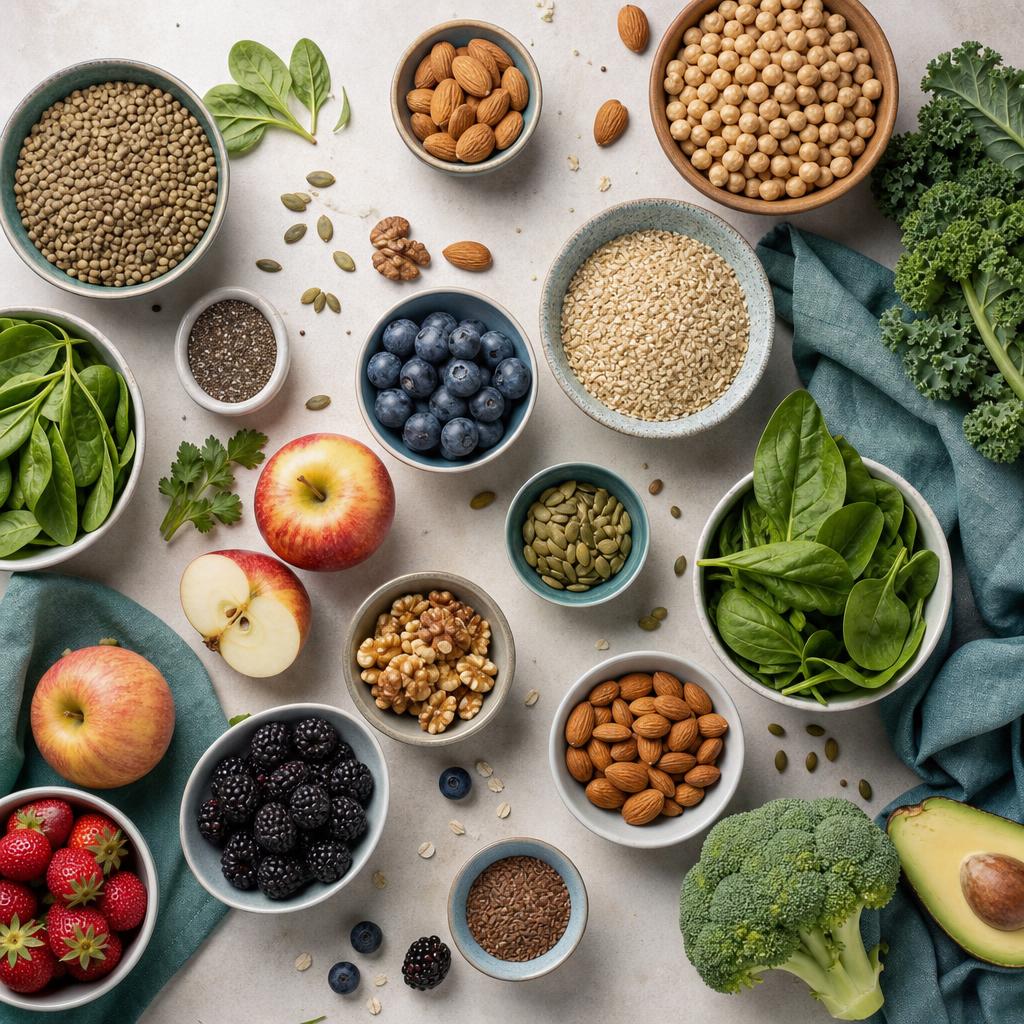
Low-glycemic foods are carbohydrate-containing foods that usually raise blood glucose more slowly than high-glycemic foods when tested in standard amounts. Examples often include beans, lentils, chickpeas, minimally processed grains, many whole fruits, non-starchy vegetables and unsweetened dairy.
The important detail is that glycemic index (GI) is only one part of a meal. Portion size, total carbohydrate, fibre, ripeness, cooking method and the protein or fat eaten alongside a food can all change the real-world response.
What Is the Glycemic Index?
The glycemic index ranks carbohydrate foods by how quickly they raise blood glucose compared with a reference food. The commonly used categories are:
| GI category | GI value | What it generally means |
|---|---|---|
| Low GI | 55 or less | Slower average glucose response |
| Medium GI | 56–69 | Moderate average response |
| High GI | 70 or more | Faster average response |
These values are useful comparisons, not promises. Two people may respond differently to the same food, and the same food can test differently depending on variety, processing and preparation.
Glycemic Index vs Glycemic Load
GI describes carbohydrate quality or speed; glycemic load (GL) also considers the amount of available carbohydrate in the portion.
The common formula is:
GL = GI × grams of available carbohydrate per serving ÷ 100
| Measure | Considers | Does not fully capture |
|---|---|---|
| Glycemic index | Relative glucose response to a standard carbohydrate amount | Normal serving size and mixed meals |
| Glycemic load | GI plus carbohydrate in the portion | Individual response and the full nutritional value |
A high-GI food in a small portion may have a modest glycemic load. A very large serving of a lower-GI food can still provide substantial carbohydrate. This is why a low-GI label does not mean unlimited portions.
Low-Glycemic Foods List
| Food group | Lower-GI choices to consider | Practical use |
|---|---|---|
| Pulses | Lentils, dal, chickpeas, chana, rajma, black beans | Add to curries, soups, salads or bowls |
| Grains | Barley, steel-cut oats, intact whole grains, some basmati rice portions | Pair with vegetables and protein |
| Vegetables | Leafy greens, cauliflower, okra, aubergine, peppers, broccoli | Fill a large part of the plate |
| Fruit | Apples, pears, oranges, berries and guava | Choose whole fruit over juice |
| Dairy and alternatives | Plain yogurt, milk, unsweetened fortified soy milk | Check added sugar on labels |
| Nuts and seeds | Almonds, peanuts, walnuts, chia and flax | Use measured portions in meals or snacks |
GI values are product-specific. Bread labelled “whole wheat,” instant oats, rice varieties and packaged cereals can vary widely. Use the table as a meal-building guide rather than a rigid universal chart.
What Changes a Food's Blood-Sugar Effect?
Processing and texture
Finely milled flour, instant cereals and juices are generally digested faster than intact grains and whole fruit. More physical structure usually means the digestive system has more work to do.
Ripeness and cooking
A very ripe banana may produce a different response from a less-ripe one. Pasta cooked very soft and starches eaten hot can behave differently from firmer or cooled versions.
Meal combination
Protein, fibre and unsaturated fat can slow digestion. Pairing rice with dal, vegetables and yogurt creates a different meal from eating a large plate of rice alone.
Portion size
Total carbohydrate still matters. A realistic serving often tells you more than the GI number by itself.
How to Build a Lower-Glycemic Plate
1. Start with non-starchy vegetables.
2. Add a protein such as dal, beans, tofu, eggs, fish, chicken or plain yogurt.
3. Choose a moderate portion of a higher-fibre carbohydrate.
4. Add healthy fat from nuts, seeds, avocado or a measured amount of oil.
5. Choose water or an unsweetened drink instead of juice or soda.
For an Indian breakfast, try moong dal chilla with vegetables, plain curd with oats and nuts, or eggs with vegetable poha in a moderate portion. US-friendly options include steel-cut oats with berries, Greek yogurt with seeds, or whole-grain toast with egg and vegetables.
The CDC diabetes meal-planning guide recommends looking at the whole plate and total carbohydrate, while NIDDK healthy-living guidance emphasises an eating pattern you can maintain.
Are Low-GI Foods Good for Prediabetes?
Lower-GI choices may help some people build higher-fibre, less-refined meals, but they do not diagnose or reverse prediabetes by themselves. Overall food quality, portions, activity, sleep, body weight, medicines and individual glucose response all matter.
If you have prediabetes or diabetes, use your clinician's targets rather than relying on an online GI list. Read Early Signs of Prediabetes and How to Lower Blood Sugar Naturally for the broader picture.
Track Meals Instead of Chasing Perfect Numbers
myHealthMate can help you log meals, protein, fibre-related food choices, activity and weight in one place. Compare repeatable patterns over time rather than labelling a single food “good” or “bad.” Start with the Balanced Diet Guide and use the AI Meal Scanner Guide to make logging easier.
Frequently Asked Questions About Low-Glycemic Foods
What are the best low-glycemic foods?
Beans, lentils, chickpeas, minimally processed grains, non-starchy vegetables, many whole fruits, nuts and unsweetened dairy are useful choices. The best option also needs to fit your culture, budget, portion needs and medical plan.
What is the difference between GI and GL?
GI compares how quickly carbohydrate foods raise glucose. GL combines GI with the amount of available carbohydrate in a serving, making it more useful for understanding portion impact.
Is basmati rice low GI?
Some basmati varieties test lower than many other white rices, but values vary by product and cooking method. Portion size and what you eat with the rice still matter.
Are low-GI foods always healthy?
No. A food can have a lower GI yet be high in calories, saturated fat or added sugar. GI does not replace a complete nutrition assessment.
Can I eat high-GI foods?
Yes. Frequency, portion and meal context matter. Pairing a smaller portion with protein, vegetables and fibre can create a more balanced meal.
Do low-glycemic foods prevent blood-sugar spikes?
They may produce a slower average response, but no list can guarantee your personal result. Glucose responses differ between people, foods, portions and mixed meals.
Related: Sugar vs Jaggery · How Much Protein Do You Need? · Best Breakfast Foods for Weight Loss