
Last updated: September 1, 2026 · Reviewed by the myHealthMate editorial team
Sugar vs jaggery is one of the most common nutrition questions in India and among people looking for a “natural” sweetener. Jaggery, also called gur, is less refined and may retain tiny amounts of minerals. But it is still made mostly of sugar, still contains calories, and still counts as an added sugar in a healthy eating pattern.
The most accurate answer to “is jaggery healthier than sugar?” is: jaggery may be a less refined choice for flavour, but it is not a free pass to eat more sweet food. For blood glucose, calories, and portion control, the amount matters more than the label.
What Is the Difference Between Sugar and Jaggery?
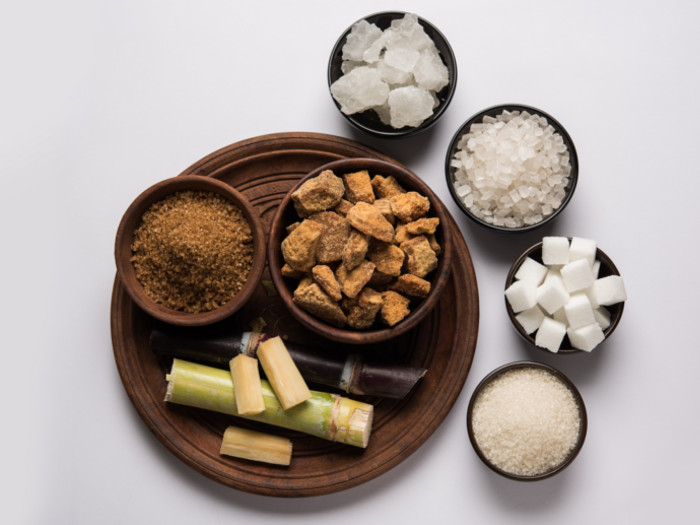
White table sugar is usually sucrose that has been refined and crystallised. Jaggery is made by concentrating sugarcane juice or palm sap. It is commonly sold as a block, powder, or syrup and has a deeper caramel-like taste.
Because jaggery is less refined, it can contain small amounts of minerals such as iron, potassium, or calcium. Those amounts vary by product and are not a reason to use jaggery as an iron supplement. The World Health Organization recommends limiting free sugars as part of a healthy diet; switching sweeteners does not remove that advice.
Sugar vs Jaggery Nutrition
Both sweeteners are concentrated sources of carbohydrate. A teaspoon of either can fit into an otherwise balanced diet, but several spoonfuls can add up quickly. Exact calories vary by moisture and serving size, so check the label when one is available.
| Question | White sugar | Jaggery |
|---|---|---|
| Main carbohydrate | Mostly sucrose | Mostly sugar, with variable compounds |
| Refining | More refined | Less refined |
| Flavour | Neutral sweetness | Deeper, caramel-like flavour |
| Calories | Similar per weight | Similar per weight |
| Blood glucose | Raises blood glucose | Also raises blood glucose |
| Best use | Small measured amount | Small measured amount |
The important line is “similar per weight.” Jaggery is not low-calorie, sugar-free, or safe to eat without limits.
Does Jaggery Raise Blood Sugar?
Yes. Jaggery contains readily available sugars and can raise blood glucose. It is not a reliable diabetes-friendly replacement for table sugar, honey, or syrup. People with diabetes or prediabetes should discuss sweetener portions with their clinician or dietitian and consider the total carbohydrate in the whole meal.
If you are reducing added sugar, replacing two teaspoons of sugar with two teaspoons of jaggery changes the flavour but may not meaningfully reduce sugar intake. Replacing the sweetener with cinnamon, cardamom, fruit, or less sweetness can be a more useful habit.
Is Jaggery Good for Weight Loss?
Jaggery does not cause weight loss. Losing weight depends mainly on a sustained energy deficit, and frequent sweeteners can make that harder because they add calories without much protein or fibre.
This does not mean you must never enjoy a piece of gur or a dessert. It means you should count it honestly. A small, intentional portion after a meal is different from adding jaggery to tea, snacks, and drinks throughout the day.
When Jaggery May Be a Practical Choice
Use jaggery when you genuinely prefer its taste or when it is part of a traditional recipe. Measure it, enjoy it slowly, and keep the portion modest. Pair sweet foods with a meal rather than grazing on them all day.
Better everyday strategies include:
- Choose water, unsweetened tea, or coffee more often than sweet drinks.
- Use fruit for sweetness in oatmeal or plain yogurt.
- Buy smaller packs of sweets and serve one portion.
- Read labels for added sugar in cereal, sauces, protein bars, and drinks.
- Track sweet foods for a week to spot hidden patterns.
The FDA's added-sugar guidance and Nutrition Facts labels can help US readers compare products. In India, look for sugar, sucrose, glucose syrup, fructose, maltose, and jaggery or gur on ingredient lists.
The Bottom Line: Which Is Better?
If the choice is the same amount of sugar or jaggery, neither is a dramatic health upgrade. Jaggery is less refined and more flavourful; sugar is more consistent and neutral. For health, the best option is usually less added sweetener overall, not unlimited jaggery.
Use myHealthMate's meal log to record drinks, desserts, and portions without guilt. Seeing the whole pattern makes it easier to make realistic changes. You can also read How to Track Calories Accurately.
Frequently Asked Questions: Sugar and Jaggery
Is jaggery healthier than white sugar?
Jaggery is less refined and may contain trace minerals, but it is still a concentrated added sugar with similar calories by weight. It is not automatically healthier when eaten in the same or larger quantity.
Can people with diabetes eat jaggery?
Jaggery can raise blood glucose and is not a sugar-free food. People with diabetes should ask their healthcare professional how much, if any, fits their carbohydrate plan.
Does jaggery have fewer calories than sugar?
Not in a meaningful practical sense. Calories vary by product, but both are concentrated sweeteners. Portion size is more important than choosing one by name.
Is jaggery good for anemia?
Jaggery is sometimes promoted as an iron remedy, but its iron content varies and is not a dependable treatment for iron-deficiency anemia. Confirm anemia with a clinician and use evidence-based iron sources or supplements when prescribed.
What is the healthiest alternative to sugar?
For everyday drinks, reducing sweetness and choosing water or unsweetened beverages is usually more useful than swapping sugar for another calorie-containing sweetener. Stevia or other non-sugar sweeteners may suit some people, but preferences and health needs differ.
Related: What Is a Balanced Diet? · How to Lower Blood Sugar Naturally · Best Foods for Better Sleep