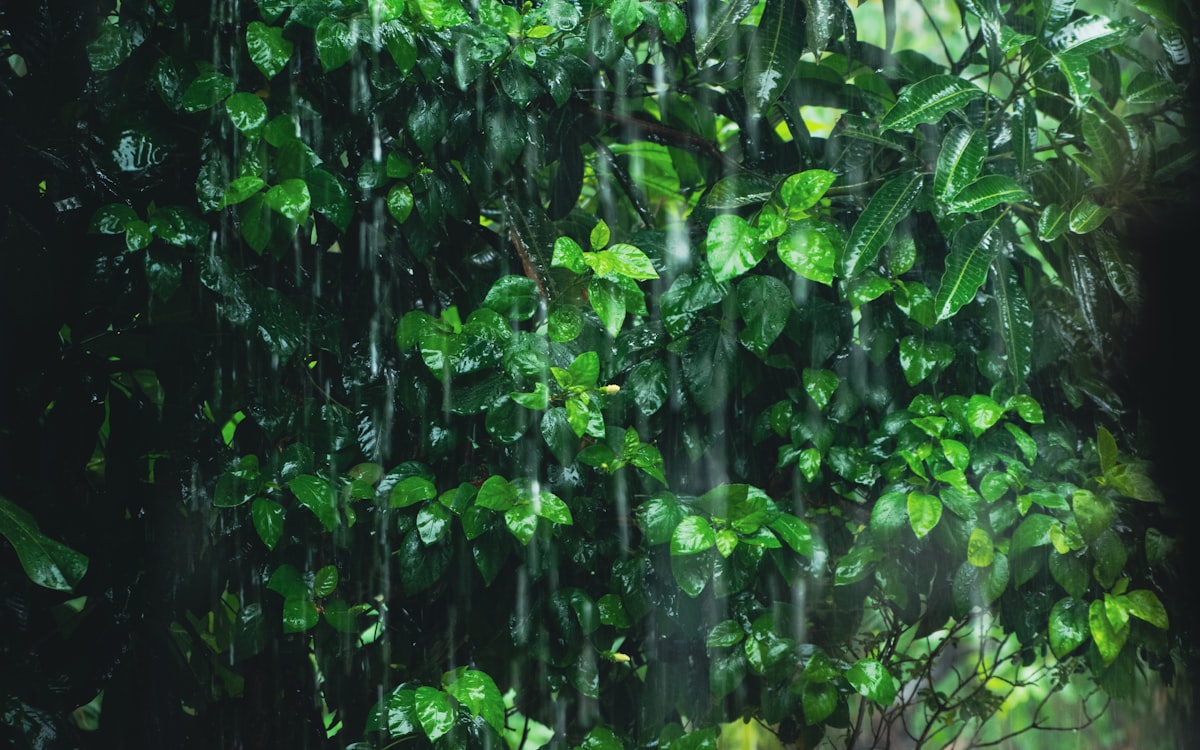

The monsoon season brings welcome relief from summer heat, but it also creates the perfect environment for waterborne infections, viral fevers, and digestive issues. Humidity encourages bacterial growth, waterlogging spreads contamination, and sudden temperature swings weaken your immune defenses. Following the right monsoon health tips can be the difference between an energetic rainy season and weeks of feeling run down.
Here are 12 practical, evidence-based tips to help you and your family stay healthy through the monsoon months.
1. Drink Only Boiled or Filtered Water
Waterborne diseases like typhoid, cholera, and hepatitis A spike during monsoon due to contamination of water sources. Always drink boiled, filtered, or bottled water — and avoid ice from unknown sources when eating out.
2. Avoid Street Food and Raw Salads
Street food and unwashed raw vegetables are common vectors for monsoon stomach infections. Stick to freshly cooked, hot food and thoroughly wash and peel fruits and vegetables at home.
3. Boost Immunity With Vitamin C Rich Foods
Citrus fruits, amla (Indian gooseberry), bell peppers, and guava are excellent monsoon immunity boosting foods. Vitamin C supports white blood cell function, helping your body fight off the seasonal viruses that spread during rainy months.
4. Include Warm, Spiced Foods in Your Diet
Ginger, turmeric, garlic, and black pepper have natural antimicrobial and anti-inflammatory properties. A warm turmeric-ginger tea or a pinch of black pepper in your meals can support digestion and immunity during humid weather.
5. Keep Your Feet Dry to Prevent Fungal Infections
Constant dampness makes monsoon prime season for fungal skin and nail infections. Carry a spare pair of socks, dry your feet thoroughly after getting wet, and use antifungal powder if you're prone to infections.
6. Stay Active Indoors When It's Too Wet Outside
Don't let rain be an excuse to skip movement entirely. Home workouts, yoga, or stair climbing can keep your fitness routine on track when outdoor exercise isn't safe or practical.
7. Prioritize Sleep to Support Immune Function
Fluctuating monsoon temperatures can disrupt sleep quality. Poor sleep directly weakens immune response, making you more susceptible to seasonal infections — so aim for a consistent 7-9 hours even as the weather changes.
8. Watch Out for Mosquito-Borne Diseases
Stagnant water during monsoon is a breeding ground for mosquitoes carrying dengue, malaria, and chikungunya. Use mosquito repellents, ensure no standing water collects near your home, and use nets or screens where possible.
9. Eat Light, Easily Digestible Meals
Humidity slows digestion for many people. Favor soups, khichdi, steamed vegetables, and lighter meals over heavy, fried, or oily food that can strain your digestive system during monsoon.
10. Wash Hands Frequently
Simple but critical — monsoon infections spread easily through contaminated surfaces. Wash your hands before eating and after returning from outdoors, especially after being in contact with rainwater.
11. Manage Humidity Indoors
High indoor humidity encourages mold and dust mites, which can trigger allergies and respiratory issues. Use exhaust fans, keep windows open when it's not raining, and consider a dehumidifier in particularly damp climates.
12. Track Symptoms Early
Monsoon illnesses like viral fever, cold, and stomach infections often start with mild symptoms. Tracking your mood, energy, and any early symptoms lets you catch problems before they escalate — and know when it's time to see a doctor.
According to the World Health Organization, safe drinking water and hand hygiene are among the most effective, low-cost interventions for preventing the infectious diseases that surge during rainy seasons worldwide.
Frequently Asked Questions
What foods should I avoid during monsoon?
Avoid raw salads, cut fruits sold outdoors, street food, and seafood (which carries higher contamination risk during monsoon breeding season). Stick to freshly cooked, hot meals.
How can I boost my immunity during monsoon?
Eat vitamin C rich foods like citrus and amla, include warming spices like ginger and turmeric, sleep 7-9 hours, and stay hydrated with boiled or filtered water.
Why do I get sick more often during the rainy season?
Humidity encourages bacterial and fungal growth, water contamination rises, and temperature swings between rain and sun can stress your immune system, making infections more likely.
Is it safe to exercise during monsoon?
Yes, but avoid exercising in waterlogged or muddy outdoor areas, which raises infection risk. Indoor workouts, yoga, and home strength training are safer alternatives on heavy rain days.
What are the most common monsoon diseases?
The most common monsoon illnesses include viral fever, common cold, dengue, malaria, typhoid, cholera, and fungal skin infections — most of which are preventable with basic hygiene and dietary precautions.
Stay on Top of Your Health This Monsoon
Tracking your symptoms, hydration, and immunity-boosting habits is much easier with the right tools. myHealthMate lets you log daily wellness, get AI-powered health insights, and monitor early symptoms — all for free.
Download myHealthMate free on Google Play and protect your health through every season.
Related: Natural Remedies for Common Cold · Best Daily Health Habits · Mindfulness and Mental Health