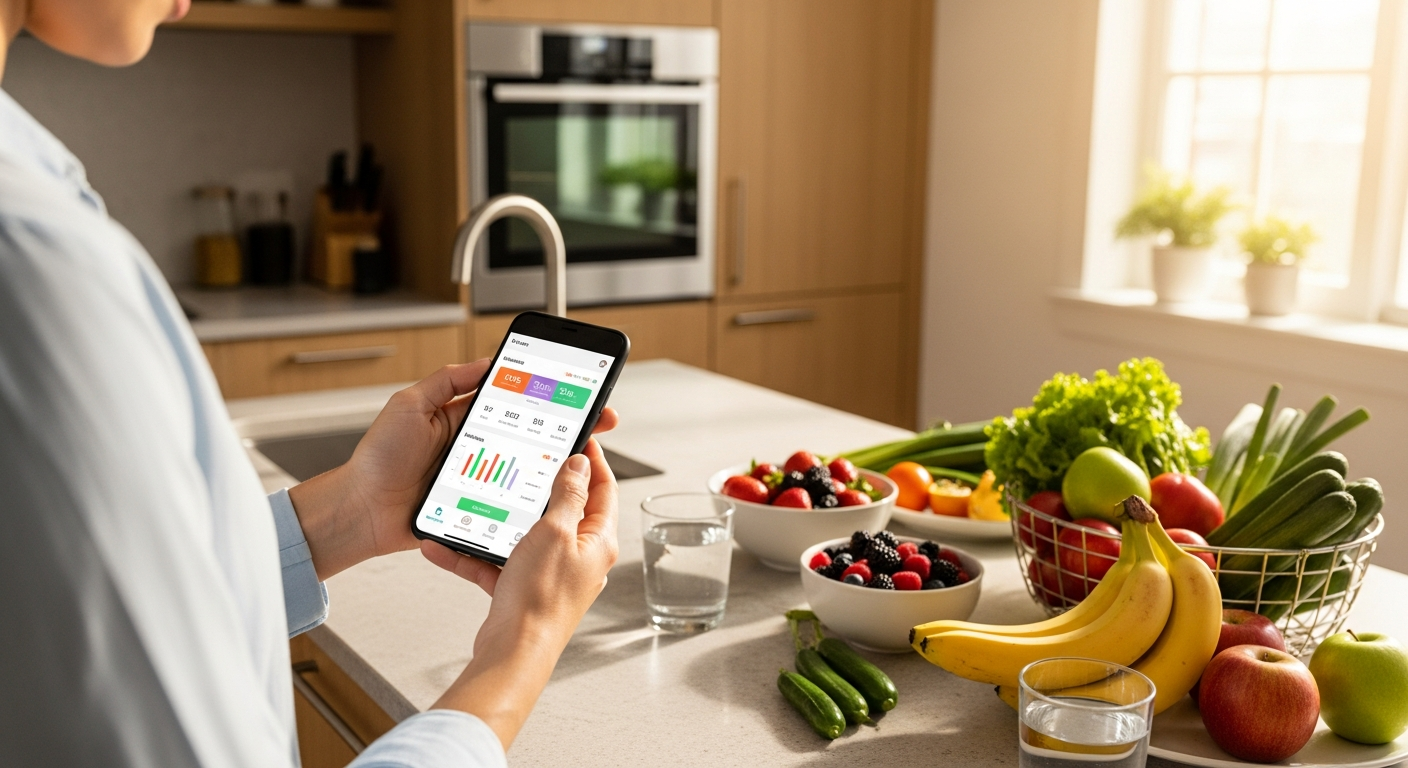

The health tracking landscape has changed dramatically. A few years ago, health apps were glorified pedometers that counted your steps and maybe tracked your water intake. In 2026, artificial intelligence has transformed these tools into genuine health companions that understand your body, predict trends, and deliver insights that were previously only available through expensive medical consultations.
If you are looking for the best AI health tracking app, here is what you need to know about how this technology works and what to look for. Whether you call it an AI health assistant app, an AI health tracker app, an AI based health monitoring app or simply a smart health app, the goal is the same: software that understands your body and tells you what to do next.
What Makes an AI Health App Different
Traditional health apps are passive. They record what you tell them and display charts. AI-powered health apps are active participants in your wellness journey. They analyze patterns across your data, connect dots you might miss, and proactively suggest changes based on what they learn about you.
The difference is like having a notebook versus having a personal health advisor who reads that notebook, cross-references medical research, and tells you what to do next.
Key Features to Look For in 2026
AI-Powered Meal Tracking
The most impactful feature in modern health apps is AI meal analysis. Instead of manually searching databases and measuring portions, you simply take a photo of your food. The AI identifies ingredients, estimates portions, and calculates nutritional information including calories, protein, carbs, fats, and micronutrients.
This removes the biggest barrier to consistent nutrition tracking: the tedious data entry that causes most people to quit within a week. When tracking takes two seconds instead of two minutes, compliance rates increase dramatically.
Personalized Health Insights
Generic health advice is everywhere. What makes AI tracking valuable is personalization. A good AI health app learns from your specific data — your eating patterns, activity levels, sleep quality, and health metrics — to generate advice that applies specifically to you.
For example, if the app notices your energy consistently dips on days when you skip breakfast but eat a heavy lunch, it can flag this pattern and suggest a different meal distribution. This kind of personalized insight requires weeks of data analysis that no human would do manually.
Health Report Analysis
One of the most powerful features emerging in 2026 is the ability to upload medical reports — blood tests, lab results, health screenings — and receive AI-powered analysis. The app can identify concerning trends, explain what your numbers mean in plain language, and suggest dietary or lifestyle adjustments based on your results.
This bridges the gap between annual doctor visits. Instead of waiting months to discuss your lab work, you get immediate, actionable context for your health data.
Smart Activity Tracking
Modern AI health apps go beyond counting steps. They track different activity types — walking, running, cycling, yoga — and correlate your exercise patterns with other health metrics. The AI can identify which types of exercise most improve your sleep, mood, or energy levels, helping you optimize your routine.
GPS-enabled tracking with session history means you can review your routes, pace improvements, and calories burned with precision.
Wellness Programs
The best health apps in 2026 include integrated wellness programs for breathing exercises, meditation, yoga, and mindfulness. AI can recommend specific programs based on your stress levels, sleep patterns, and overall health data, creating a holistic approach to wellness rather than focusing solely on diet or exercise.
Why AI Health Tracking Works Better Than Manual Methods
Consistency Through Simplicity
The number one reason health tracking fails is that it is too much work. AI eliminates most of the manual effort. Photo-based meal logging, automatic activity detection, and smart reminders keep you on track without requiring constant attention.
Pattern Recognition at Scale
Humans are terrible at spotting gradual trends in their own behavior. AI excels at this. It can analyze months of data across multiple health dimensions — nutrition, sleep, activity, mood, weight — and identify correlations that would take a researcher hours to find.
Adaptive Recommendations
Static diet plans work for about two weeks before life gets in the way. AI-powered plans adapt to your actual behavior. Missed a workout? The app adjusts your nutrition recommendations. Had a stressful week with poor sleep? The AI factors that into its suggestions. This adaptability makes AI-driven health tracking sustainable long-term.
How to Choose the Right AI Health App
When evaluating AI health tracking apps, consider these factors:
- Ease of meal logging: Can you log meals with a photo? How accurate is the AI at identifying foods?
- Comprehensiveness: Does the app track nutrition, activity, sleep, mood, and health metrics in one place?
- AI quality: Does the app provide genuinely personalized insights, or just generic tips?
- Report analysis: Can you upload lab results and get meaningful feedback?
- Wellness integration: Does it include programs for mental health, breathing, meditation, and stress management?
- Privacy: How is your health data stored and protected?
- Accessibility: Is the app free or affordable? Does it work on your device?
The Bottom Line
AI health tracking in 2026 is not about having another app on your phone. It is about having a tool that genuinely understands your health patterns and helps you make better decisions every day. The technology has matured to a point where AI-powered health insights are accurate, personalized, and actionable.
The best time to start tracking your health with AI was last year. The second best time is today. With free AI health tracking apps available on Google Play, there is no barrier to getting started.
Check out our guide on best daily health habits for foundational wellness routines that pair perfectly with AI-powered health tracking.
Whether you are trying to lose weight, build muscle, sleep better, manage stress, or simply understand your body more deeply, an AI health tracking app is the most effective tool available to you right now.
A 2023 systematic review in npj Digital Medicine found that AI-assisted health monitoring apps significantly improved adherence to healthy behaviours and early detection of deteriorating health metrics — confirming that the best AI health tracking apps are not just convenient, they are clinically effective.
Best AI Health Tracking Apps in 2026: Top Picks
| App | Best Feature | AI Capabilities | Free? |
|---|---|---|---|
| myHealthMate | All-in-one wellness | Meal scan, blood report AI, health chat, meal planner | ✅ Full free |
| MyFitnessPal | Nutrition database | AI meal suggestions | ✅ / Premium |
| Whoop | Recovery metrics | AI recovery coaching | ❌ Subscription |
| Oura Ring app | Sleep tracking | AI readiness scoring | ❌ Device + sub |
| Freeletics | Bodyweight fitness | AI adaptive training | ✅ / Premium |
myHealthMate is the best free AI health companion app — combining meal scanning, step tracking, sleep logging, blood report analysis, AI health chat, and a personalised wellness plan in one platform. Download free on Google Play.
Frequently Asked Questions: AI Health Tracking Apps
What is the best AI health companion app in 2026?
myHealthMate is the best AI health companion app in 2026. It acts as a personalised health assistant — analyzing your meals from photos, interpreting your blood test results, tracking your daily activity and sleep, coaching you via AI chat, and generating personalized wellness plans. It is free and available on Android.
What are the best AI health apps in 2026?
The best AI health apps in 2026 are: myHealthMate (all-in-one, free), MyFitnessPal (nutrition AI), Whoop (recovery AI), Freeletics (fitness AI), and Sleep Cycle (sleep AI). For users who want a single platform covering nutrition, fitness, and health analysis, myHealthMate leads.
Is there a free AI health monitoring app?
Yes. myHealthMate is free on Google Play with full AI capabilities — including photo-based meal scanning, AI blood report analysis, personalised health tips, step tracking, and guided wellness exercises. No subscription is required.
How does an AI health coach guide habits?
AI health coaches work by analyzing your behavioral data (meals, sleep, steps, mood) and identifying patterns linked to your health goals. They deliver personalized, timely nudges — such as hydration reminders, movement prompts, and meal suggestions — based on your actual data rather than generic advice. The best AI health coaches adapt recommendations as your habits and metrics change over time.
What is the best AI health tracker app or smart health app?
The best AI health tracker app and smart health app in 2026 is myHealthMate — a free AI based health monitoring app that tracks nutrition, activity, sleep and mood, interprets your blood reports, and answers questions through AI health chat, all in one place.
Related: Best Health Apps for Wellbeing · AI Health Assistant App · Best All-in-One Health App · Best Wellness Apps 2026 · Complete Guide to Health Tracking · How AI Helps Personal Health