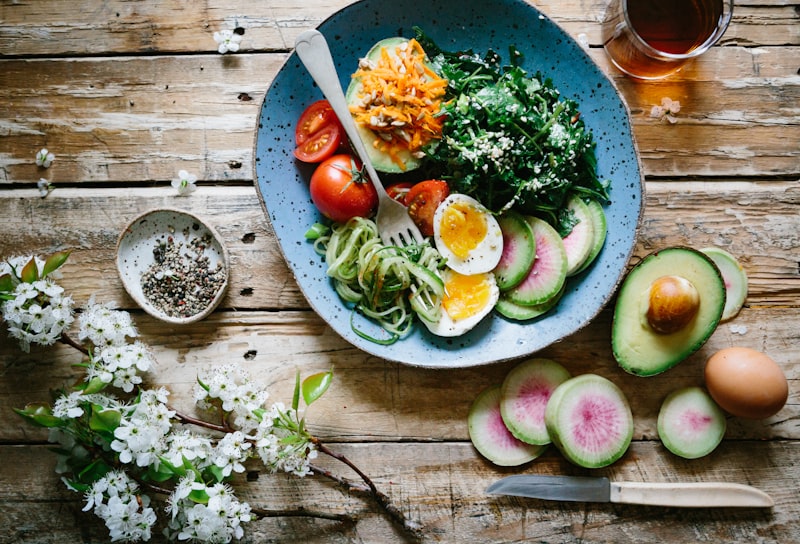

Calorie tracking has a reputation for being obsessive, complicated, and ultimately unsustainable. For many people, that reputation is earned — because they used the wrong tools. The best free AI calorie counter app in 2026 is not a stripped-down food diary that requires you to manually weigh every gram. It is an intelligent nutrition companion that scans your meals from photos, learns your preferences, and tells you not just what you ate, but what to eat next — and it should be completely free to use.
This guide breaks down exactly what to look for in a free AI calorie tracker, how AI has transformed the category, and which apps genuinely deliver without hiding core features behind a subscription paywall.
Why Most Calorie Tracker Apps Fail You
Let us be honest about the core problem with traditional calorie counter apps:
- Enormous food databases with terrible search — typing "chicken curry" returns 847 results, none of which match your home recipe
- No regional food support — Indian, African, and Southeast Asian cuisines are often underrepresented or missing
- All logging, no guidance — the app tells you what you ate but never what you should eat next
- Punitive approach — many apps show your remaining calories in red when you go over, creating anxiety rather than behaviour change
- Subscription paywalls — basic features like macro tracking locked behind expensive monthly plans
A truly useful AI calorie counter solves all of these problems.
What AI Changes About Calorie Counting
Traditional apps are passive databases. You search, select, and input. AI-powered nutrition trackers are active tools. They:
1. Recognise food from photos — snap a picture of your meal and get calories and macros automatically
2. Estimate portion sizes using visual depth cues and plate dimensions
3. Generate personalised meal plans based on your goals, dietary restrictions, and food preferences
4. Predict your next meal based on remaining macros and past patterns
5. Connect nutrition data with health outcomes — correlating your eating patterns with energy levels, sleep quality, and lab report results
The result is a system that requires far less manual effort while providing far deeper insight.
The Key Metrics Every Nutrition Tracker Should Cover
A complete nutrition tracker is not just about calories. Here is what good tracking looks like:
Daily Macros
- Protein: 1.6–2.2g per kg of body weight for muscle maintenance; 0.8–1.2g for general health
- Carbohydrates: 45–65% of total calories; focus on complex sources (dal, oats, vegetables)
- Fats: 20–35% of total calories; prioritise unsaturated fats from nuts, seeds, and olive oil
Micronutrients to Monitor
Deficiencies that are particularly common in India:
- Iron — affects 58% of Indian women (WHO data); tracked by noting meat, legume, and leafy green intake
- Vitamin B12 — almost absent in pure vegetarian diets; requires supplementation monitoring
- Vitamin D — deficient in 70%+ of urban Indians despite abundant sunlight; tracked through fortified food intake
- Calcium — critical for bone density, especially in women post-30
Trends Over Time
Single-day data is noise. Weekly and monthly nutrition trends reveal patterns that drive behaviour change:
- Consistent protein gaps on vegetarian days
- Weekend calorie spikes disrupting weekly averages
- Meal timing patterns (skipping breakfast, late-night eating) affecting weight and energy
Calorie Targets: Are You Calculating Them Right?
Most people use one of two calorie calculation methods — and most people use the wrong one:
TDEE (Total Daily Energy Expenditure) is the gold standard. It accounts for:
- Your Basal Metabolic Rate (BMR) — calories burned at complete rest
- Your activity multiplier — sedentary (1.2x), lightly active (1.375x), moderately active (1.55x), very active (1.725x)
The BMR itself is calculated using either the Mifflin-St Jeor equation (most accurate) or the Harris-Benedict equation.
A common mistake is using a fixed 1200-calorie target from an old diet. This is often dangerously low for adults, especially those who are physically active. An AI calorie counter calculates your personalised TDEE automatically and adjusts targets as your weight and activity level change.
Comparing the Best Calorie Tracker Apps in 2026
Here is an honest look at what differentiates nutrition apps:
What to look for in a free tier
A free AI nutrition tracker app should include, at minimum:
- Photo-based meal logging (AI vision)
- Manual food database with regional cuisine
- Daily macro totals and trends
- Basic goal setting (calories, protein target)
Premium features worth paying for
- Personalised 7-day AI meal plans
- Health report integration (uploading blood tests, connecting insights)
- Advanced micronutrient tracking
- AI chat coaching for personalised advice
Red flags in any nutrition app
- No regional food support
- Requires premium for basic macro tracking
- No way to override AI estimates
- No export or backup of your data
How to Build a Sustainable Calorie Tracking Habit
The best app in the world does not help if you stop using it after two weeks. Here is what sustainable tracking looks like:
Start with meals, not snacks. Log breakfast, lunch, and dinner consistently for two weeks before worrying about snacks. This builds the habit without overwhelm.
Use photo logging as your primary method. Manual entry should be the exception, not the rule. Photo AI reduces logging time to under 30 seconds per meal.
Focus on patterns, not perfection. A day where you went 300 calories over is not a failure — it is data. What caused it? Was it a social meal, stress eating, or genuinely being hungrier than usual?
Connect your nutrition data to how you feel. The most powerful insight from tracking is the correlation between what you eat and your energy, mood, and sleep quality. Apps that track multiple health metrics together reveal these connections automatically.
The Link Between Nutrition Tracking and Health Reports
A calorie tracker becomes far more powerful when connected to your health report data. If your blood test shows elevated triglycerides, your nutrition tracker can show you exactly which dietary patterns (high refined carbohydrate days, frequent fried food, weekend alcohol) are driving that result.
Similarly, if you have been tracking nutrition for 90 days and then get new blood work done, you can directly compare your dietary changes to improvements in cholesterol, blood sugar, and inflammation markers. This is the future of preventive healthcare — and it is available now through apps like myHealthMate that combine AI health report analysis with daily nutrition tracking.
Start Tracking Smarter Today
The best calorie tracker app for 2026 is not the one with the biggest food database — it is the one you will actually use every day. Look for speed, accuracy on regional foods, genuine AI guidance, and a free tier that does not feel like a trial version.
Download myHealthMate Free on Google Play — AI meal scanning, personalised nutrition tracking, and health report analysis in one app.
Is There a Free AI Calorie Counter? Yes — Here Are the Best Options
One of the most common questions in 2026: is there a free AI calorie counter with no subscription? The short answer is yes, but most apps that advertise "free AI" heavily restrict the AI features in their free tier.
Here is an honest breakdown of free AI calorie counter apps and what you actually get for free:
myHealthMate — Best Completely Free AI Calorie Counter
myHealthMate is the only fully-featured free AI calorie counter with no subscription required. What you get free:
- ✅ AI photo meal scanning — photograph your plate for instant calorie and macro breakdown
- ✅ Manual food database with 33+ Indian and international foods
- ✅ Daily calorie and macro totals
- ✅ AI-generated 7-day personalised meal plan
- ✅ Next-meal suggestions based on remaining macros
- ✅ Blood report AI analysis
- ✅ No paywall, no subscription, no "free trial"
Download free on Google Play →
MyFitnessPal — Free Tier with Limitations
MyFitnessPal's free tier includes barcode scanning and a massive food database, but AI-powered features require Premium. The free calorie counter is functional but lacks photo recognition.
Cronometer — Free with Micronutrient Focus
Cronometer's free tier provides detailed vitamin and mineral tracking. AI-generated recommendations are premium-only, but the free food database is accurate and comprehensive.
Cal AI — Paid App
Cal AI is a popular photo-based calorie counter but requires a subscription. Unlike myHealthMate, there is no genuinely free tier.
Best Free AI Calorie Counter App Comparison
| App | Photo AI Scanning | Free Tier | Meal Plans | Indian Food |
|---|---|---|---|---|
| myHealthMate | ✅ Free | ✅ Full | ✅ AI-generated | ✅ Extensive |
| MyFitnessPal | ❌ Premium only | ✅ Basic | ❌ Premium | ⚠️ Limited |
| Cronometer | ❌ None | ✅ Core | ❌ Premium | ⚠️ Limited |
| Cal AI | ✅ Full | ❌ Paid | ❌ | ⚠️ Limited |
| Lose It! | ✅ Snap feature | ✅ Limited | ❌ Premium | ⚠️ Limited |
Frequently Asked Questions: Free AI Calorie Tracker
Is there a completely free AI calorie counter app?
Yes. myHealthMate is a completely free AI calorie counter with no subscription, no paywall, and no trial period. It includes AI photo meal scanning, daily macro tracking, and a personalised AI meal plan — all free.
Does Cal AI have a free version?
Cal AI has a limited free trial but requires a subscription for ongoing use. If you want a free AI calorie scanner with no subscription, myHealthMate is the better option.
What is the best free AI calorie counter for Indian food?
myHealthMate is the best free AI calorie counter for Indian food. It includes 33+ common Indian dishes in its manual food database and the AI photo scanner recognises Indian cuisines including dal, sabzi, biryani, idli, dosa, and more.
Can AI accurately count calories from a photo?
Modern AI calorie scanners like myHealthMate estimate calories from photos within 10–20% accuracy for most dishes — comparable to manual tracking by nutritionists. Accuracy is highest for single-ingredient dishes and lower for complex mixed dishes with multiple components.
Is there a free AI calorie counter app for Android?
Yes. myHealthMate is free on Android (Google Play) and includes AI photo calorie scanning, step tracking, sleep logging, workout programs, and blood report analysis — the most comprehensive free health app available for Android.
What are the best free calorie tracker apps in 2026?
The best free calorie tracker apps in 2026 are myHealthMate (free AI photo scanning, no subscription), MyFitnessPal (basic free tier) and Cronometer (free core tier). For a completely free calorie counter with AI scanning and no paywall — in the US, UK, India or anywhere — myHealthMate is the strongest pick.
Is there a completely free calorie counter app in the UK?
Yes. myHealthMate works as a completely free calorie tracker app in the UK and worldwide — no subscription, no regional paywall — with AI photo meal scanning, macro tracking and a free AI meal planner.
Related: AI Meal Scanner for Nutrition: Log Food in Seconds · How AI Is Changing Nutrition Tracking · Best All-in-One Health App